
Portugal. The name itself conjures images of sun-kissed beaches, historic castles, and the melancholic strains of Fado music. But there’s so much more to this enchanting country than meets the eye. This comprehensive guide aims to peel back the layers and reveal the heart and soul of Portugal, whether you’re dreaming of a vacation, considering a move, or simply curious about this captivating corner of Europe. We’ll delve into its rich history, explore its stunning landscapes, and savor its delectable cuisine. Get ready to embark on a journey that will leave you utterly charmed by Portugal.
Table of Contents
What Makes Portugal So Special? Unveiling the Allure
So, what exactly is it that makes Portugal so incredibly appealing? Is it the friendly locals? The affordable cost of living? Or perhaps the sheer variety of experiences on offer? The answer, of course, is a little bit of everything. But let’s break it down and explore the key elements that contribute to Portugal‘s irresistible allure.
A Land of History and Heritage
Portugal‘s history is as rich and complex as its famous port wine. From its Roman roots to its Age of Discovery, Portugal has played a significant role on the world stage. Imagine sailing with daring explorers like Vasco da Gama and Ferdinand Magellan, charting new routes and discovering new lands. You can almost feel the echoes of their adventures as you wander through the historic streets of Lisbon and Porto.
The country’s legacy is evident in its stunning architecture, from the magnificent Jerónimos Monastery in Lisbon to the medieval Guimarães Castle, often referred to as the “Cradle of Portugal.” Each stone tells a story, a testament to the resilience and ingenuity of the Portuguese people. Exploring these historical sites is like stepping back in time, offering a fascinating glimpse into Portugal‘s past.
Natural Beauty: From Coastlines to Mountains
Portugal is a land of breathtaking natural beauty, offering a diverse landscape that caters to every taste. Picture yourself strolling along the golden beaches of the Algarve, the warm sand between your toes, the Atlantic breeze whispering in your ear. Or perhaps you prefer the rugged cliffs and hidden coves of the western coast, where the waves crash against the shore with untamed power.
Beyond the coastline, Portugal boasts stunning mountain ranges like the Serra da Estrela, perfect for hiking and skiing. The rolling hills of the Alentejo region offer a tranquil escape, with vineyards stretching as far as the eye can see. And then there are the islands of Madeira and the Azores, volcanic paradises with lush vegetation, dramatic landscapes, and unique ecosystems. No matter your preference, Portugal‘s natural beauty will leave you spellbound.
A Culinary Paradise: Savoring Portuguese Flavors
Prepare your taste buds for an unforgettable culinary adventure! Portuguese cuisine is a delightful blend of fresh seafood, hearty stews, and sweet pastries. From the ubiquitous bacalhau (salt cod) to the mouthwatering pastéis de nata (custard tarts), Portugal offers a gastronomic experience that is both satisfying and surprisingly diverse.
Each region has its own specialties, reflecting the local ingredients and traditions. In the north, you’ll find hearty dishes like cozido à portuguesa (a meat stew), while in the south, fresh seafood reigns supreme. And of course, no culinary journey through Portugal is complete without sampling the country’s world-renowned wines, from the crisp vinho verde to the rich port wine. So, come hungry and prepare to be amazed by the flavors of Portugal.
“A Portugal, encontra-se a beleza em cada esquina.” (“In Portugal, you find beauty in every corner.”) – A popular Portuguese saying.
That captures the essence of Portugal perfectly. It’s a country where beauty is woven into the very fabric of everyday life, from the stunning landscapes to the warm smiles of the locals.

Planning Your Trip to Portugal: A Practical Guide
Okay, so you’re officially intrigued by Portugal and ready to start planning your adventure. Excellent choice! But where do you begin? Don’t worry, I’ve got you covered. This section will provide you with a practical guide to planning your trip, covering everything from the best time to visit to transportation options and accommodation.
Best Time to Visit: Seasons and Events
The best time to visit Portugal largely depends on your preferences and what you want to experience. If you’re a beach lover, the summer months (June-August) offer warm weather and plenty of sunshine. However, be prepared for crowds and higher prices.
Spring (April-May) and autumn (September-October) are often considered the sweet spots, offering pleasant weather, fewer crowds, and more affordable prices. These shoulder seasons are ideal for exploring the cities, hiking in the mountains, and enjoying the local festivals.
Winter (November-March) can be mild in the south, but the north can experience colder temperatures and rain. However, winter can be a great time to visit if you’re interested in skiing in the Serra da Estrela or experiencing the Christmas markets.
Portugal also hosts a variety of festivals and events throughout the year, from the colorful Carnival celebrations in February to the vibrant São João festival in Porto in June. Check the local event calendars to see what’s happening during your visit.
Getting Around: Transportation Options
Portugal offers a variety of transportation options to suit every budget and travel style.
- By Car: Renting a car is a great way to explore the country at your own pace, especially if you plan on visiting more remote areas. However, be aware that some roads can be narrow and winding, and parking can be challenging in the cities.
- By Train: Portugal has a well-developed railway network, connecting major cities and towns. Train travel is a comfortable and scenic way to see the country.
- By Bus: Buses are a more affordable option than trains, and they reach many smaller towns and villages that are not accessible by rail.
- Within Cities: Public transportation in the cities is generally efficient and affordable, with a network of buses, trams, and metros.
Accommodation: From Hostels to Luxury Resorts
Portugal offers a wide range of accommodation options to suit every budget and preference. From budget-friendly hostels and guesthouses to luxurious hotels and resorts, you’ll find something to fit your needs.
- Hostels: A great option for budget travelers, offering dorm rooms and private rooms at affordable prices.
- Guesthouses (Residenciais): Family-run establishments offering comfortable rooms and a personal touch.
- Hotels: Portugal has a wide range of hotels, from budget-friendly options to luxurious five-star establishments.
- Apartments: Renting an apartment is a great option for longer stays, offering more space and flexibility.
- Rural Tourism (Turismo Rural): Experience the charm of the Portuguese countryside by staying in a traditional farmhouse or manor house.
“Viajar é mais do que ver paisagens, é mudar as ideias sobre o que é viver.” (“Traveling is more than seeing landscapes, it is changing ideas about what it is to live.”) – A profound thought often attributed to Portuguese travelers.
This really speaks to the transformative power of travel and how experiencing a new culture like Portugal can broaden your perspective.
Exploring Portugal’s Must-See Destinations
Now that you have a general idea of how to plan your trip to Portugal, let’s dive into some of the must-see destinations that should be on your itinerary. From vibrant cities to stunning coastlines and volcanic islands, Portugal offers a wealth of experiences waiting to be discovered.
Lisbon: The Vibrant Capital City
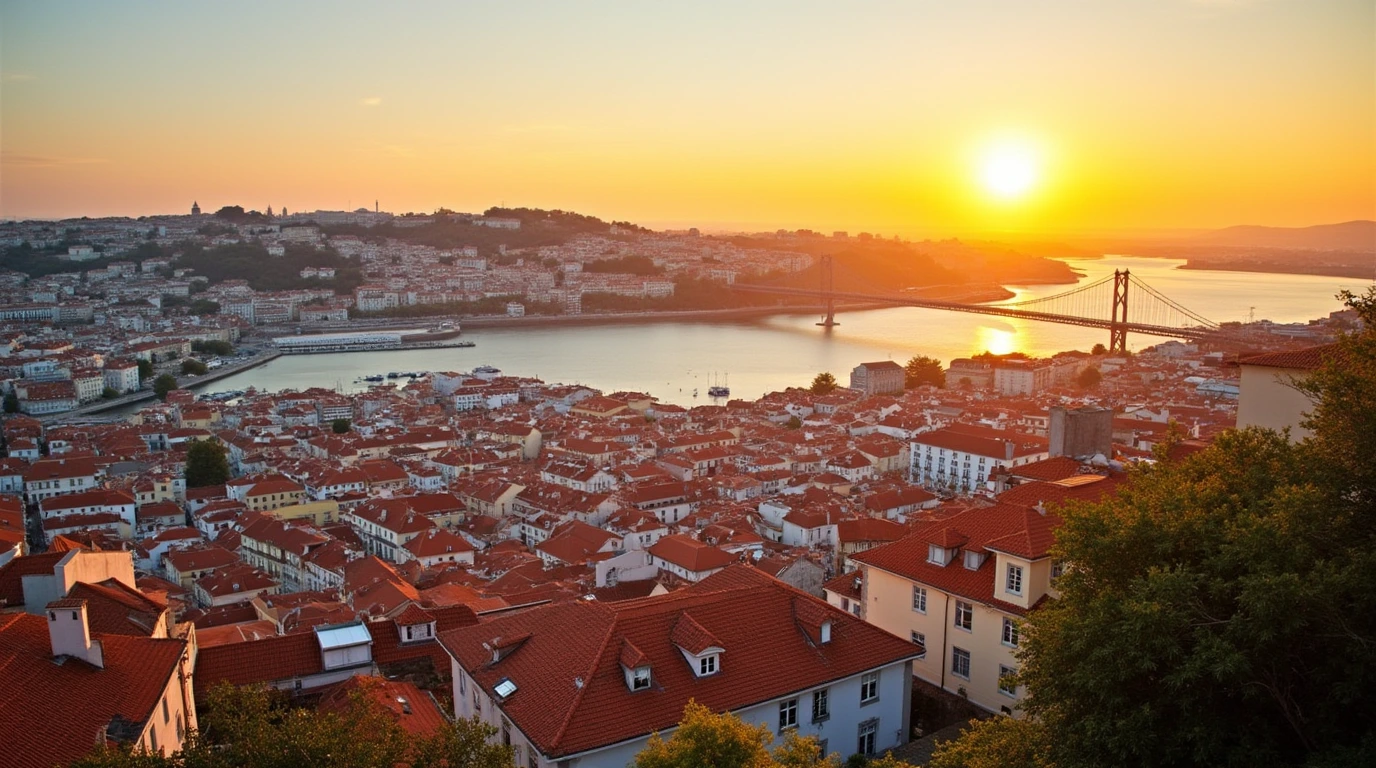
Lisbon, the capital of Portugal, is a city that effortlessly blends old-world charm with modern vibrancy. Imagine yourself riding the iconic Tram 28 through the narrow, winding streets of Alfama, the city’s oldest district. The soulful sounds of Fado music drift from the open doorways of traditional taverns.
Explore the historic Belém district, home to the Jerónimos Monastery and the Belém Tower, both UNESCO World Heritage sites. Indulge in a pastel de nata at the famous Pastéis de Belém bakery. Ascend to São Jorge Castle for panoramic views of the city.
Lisbon is a city that rewards exploration, with hidden gems waiting around every corner. Don’t miss the trendy Bairro Alto district, known for its nightlife and art scene. Take a stroll along the Tagus River and admire the Ponte 25 de Abril bridge, often compared to the Golden Gate Bridge in San Francisco. Lisbon is a city that will capture your heart with its beauty, history, and energy.
Porto: Home of Port Wine and Historic Charm
Porto, Portugal‘s second-largest city, is a captivating blend of historic charm and modern innovation. Located on the Douro River, Porto is famous for its port wine cellars, where you can sample this fortified wine and learn about its production.
Wander through the Ribeira district, a UNESCO World Heritage site, with its colorful buildings and lively atmosphere. Cross the iconic Dom Luís I Bridge, designed by a student of Gustave Eiffel, for stunning views of the city. Visit the Livraria Lello, one of the most beautiful bookstores in the world, which is said to have inspired J.K. Rowling’s Harry Potter series.
Porto is a city that embraces its history while looking towards the future. Explore the contemporary Serralves Museum of Art, or take a boat trip along the Douro River to admire the vineyards that produce the grapes for port wine. Porto is a city that will surprise and delight you with its character, culture, and delicious wine.
Algarve: Beaches, Cliffs, and Coastal Delights
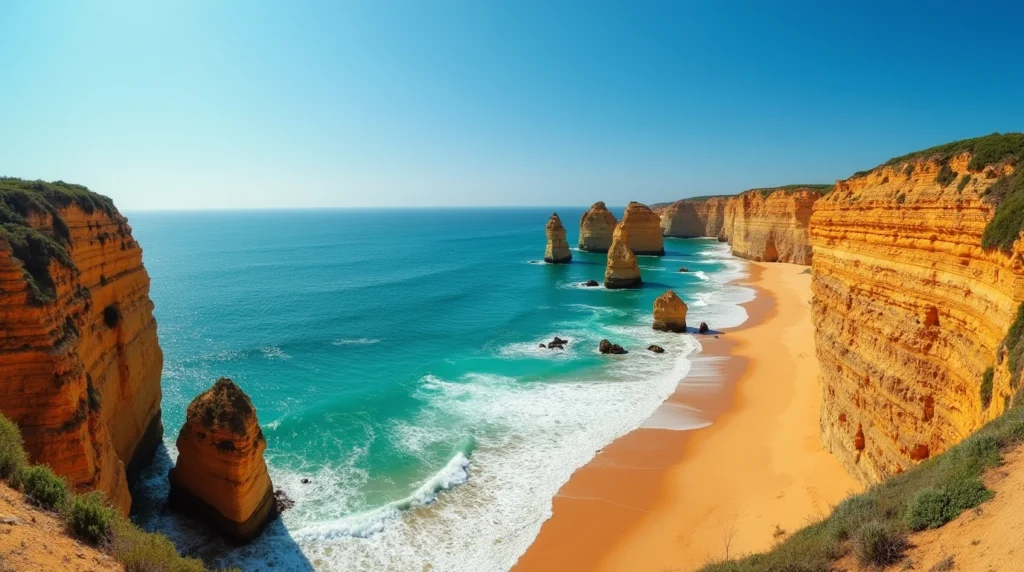
The Algarve, located in the southernmost region of Portugal, is famous for its stunning beaches, dramatic cliffs, and warm sunshine. This is the Portugal you see on postcards: golden sands, turquoise waters, and picturesque coastal towns.
Relax on the beaches of Praia da Marinha, often ranked among the most beautiful beaches in the world. Explore the sea caves of Benagil by boat. Hike along the cliffs of the Ponta da Piedade, marveling at the natural rock formations.
The Algarve is more than just beaches. Explore the historic town of Lagos, with its charming streets and vibrant nightlife. Visit the Ria Formosa Natural Park, a lagoon with diverse birdlife. Indulge in fresh seafood at a local restaurant. The Algarve offers a perfect blend of relaxation and adventure.
Madeira: The Island of Eternal Spring
Madeira, an autonomous region of Portugal, is an island paradise known for its lush vegetation, dramatic landscapes, and year-round mild climate. Often referred to as the “Island of Eternal Spring,” Madeira offers a unique blend of natural beauty and cultural attractions.
Hike along the levadas, irrigation channels that crisscross the island, offering stunning views of the mountains and valleys. Explore the vibrant capital city of Funchal, with its colorful market and historic architecture. Visit the Monte Palace Tropical Garden, a breathtaking display of exotic plants and flowers.
Madeira is a paradise for nature lovers and adventure seekers. Go whale watching, canyoning, or paragliding. Indulge in the local cuisine, including espada (black scabbardfish) and poncha (a traditional alcoholic drink). Madeira is an island that will captivate you with its beauty and charm.
Azores: Volcanic Landscapes and Adventure
The Azores, another autonomous region of Portugal, is a group of nine volcanic islands located in the Atlantic Ocean. This is a destination for adventurous travelers seeking unspoiled nature and unique experiences.
Explore the volcanic landscapes of São Miguel, the largest island, with its stunning crater lakes and geothermal hot springs. Hike to the top of Mount Pico, the highest point in Portugal, located on the island of Pico. Go whale watching and spot sperm whales, blue whales, and dolphins.
The Azores offer a wide range of outdoor activities, including hiking, diving, canyoning, and kayaking. Discover the unique culture and traditions of each island. Indulge in the local cuisine, including cozido das Furnas (a stew cooked in volcanic soil). The Azores are a destination that will leave you in awe of the power and beauty of nature.

The Delights of Portuguese Cuisine: A Food Lover’s Journey
We’ve already touched upon the culinary wonders of Portugal, but let’s really sink our teeth into it (pun intended!). Prepare for a food lover’s journey through Portugal, exploring the must-try dishes, regional specialties, and world-renowned wines. This section is dedicated to tantalizing your taste buds and inspiring you to experience the deliciousness that Portugal has to offer.
Must-Try Dishes: From Bacalhau to Pastéis de Nata
No trip to Portugal is complete without trying some of the country’s most iconic dishes. Here are a few must-try dishes to add to your culinary bucket list:
- Bacalhau (Salt Cod): Considered the national dish of Portugal, bacalhau is prepared in countless ways, from grilled to baked to stewed. It’s said that there are more recipes for bacalhau than there are days in the year!
- Pastéis de Nata (Custard Tarts): These creamy custard tarts are a Portugal staple, and you’ll find them in every bakery and café. The best ones are slightly crispy on the outside, with a warm, creamy filling dusted with cinnamon.
- Francesinha (Little Frenchie): A hearty sandwich originating from Porto, the francesinha is made with various meats, covered in melted cheese, and drenched in a rich tomato and beer sauce. It’s not for the faint of heart!
- Caldo Verde (Green Broth): A traditional Portugal soup made with potatoes, kale, and chouriço sausage. It’s a simple yet satisfying dish that’s perfect for a chilly evening.
- Sardinhas Assadas (Grilled Sardines): A popular dish during the summer months, especially during the São João festival in Porto. The sardines are grilled to perfection and served with bread and potatoes.
Regional Specialties: Exploring Local Flavors
Each region of Portugal has its own culinary specialties, reflecting the local ingredients and traditions. Here are a few regional delicacies to look out for:
- Alentejo: Known for its hearty meat dishes, such as porco preto (black pork) and açorda (bread soup).
- Algarve: Famous for its fresh seafood, including cataplana (a seafood stew cooked in a copper pot) and grilled fish.
- Minho: Known for its vinho verde (green wine) and hearty dishes like rojões (pork belly).
- Beiras: Famous for its cheeses, such as Queijo da Serra da Estrela, and its hearty stews.
- Madeira: Known for its espada (black scabbardfish) and espetada (meat skewers).
Wine Tasting: Discovering Portugal’s Vinho Verde and Port Wine
Portugal is a wine lover’s paradise, with a wide variety of wines to choose from. Two of the most famous Portugal wines are vinho verde and port wine.
- Vinho Verde (Green Wine): A light, refreshing wine from the Minho region of Portugal. It’s typically slightly sparkling and has a low alcohol content, making it a perfect summer drink.
- Port Wine: A fortified wine from the Douro Valley, known for its rich, sweet flavor. Port wine is typically enjoyed as a dessert wine or after-dinner drink.
Consider taking a wine tasting tour in the Douro Valley or the Vinho Verde region to learn more about Portugal wine production and sample different varieties. Many wineries offer tours and tastings, providing a fascinating insight into the world of Portugal wine.
Common Challenges and How to Overcome Them
While living in Portugal offers many advantages, it’s not without its challenges. Expats and digital nomads often face challenges related to language barriers, bureaucracy, and cultural differences. This section will explore these common challenges and offer tips on how to overcome them.
Language Barriers: Learning Portuguese
One of the biggest challenges for expats in Portugal is the language barrier. While many Portugal people speak English, especially in tourist areas, learning Portuguese is essential for integrating into society and navigating everyday life.
Here are a few tips for learning Portuguese:
- Take a language course: Enroll in a Portuguese language course at a local school or online.
- Use language learning apps: Use language learning apps like Duolingo, Babbel, or Memrise to learn basic vocabulary and grammar.
- Practice with native speakers: Find a language exchange partner or tutor to practice speaking Portuguese.
- Immerse yourself in the language: Watch Portugal movies and TV shows, listen to Portugal music, and read Portugal books.
- Don’t be afraid to make mistakes: The best way to learn a language is to practice, even if you make mistakes.
Bureaucracy: Navigating the System
Portugal‘s bureaucracy can be complex and time-consuming. Dealing with government agencies, applying for visas, and opening a bank account can be frustrating.
Here are a few tips for navigating Portugal‘s bureaucracy:
- Be patient: Bureaucratic processes can take time, so be patient and persistent.
- Do your research: Research the requirements and procedures for each process before you start.
- Get help from a professional: Consider hiring a lawyer or consultant to help you navigate the bureaucracy.
- Be organized: Keep all your documents organized and readily available.
- Learn some basic Portuguese: Being able to communicate in Portuguese will make it easier to navigate the system.
Cultural Differences: Adapting to Local Customs
Portugal has a unique culture and set of customs that may be different from your own. Adapting to these cultural differences is essential for integrating into society and building relationships with locals.
Here are a few cultural differences to be aware of:
- Greetings: Portugal people typically greet each other with a handshake or a kiss on both cheeks.
- Punctuality: Punctuality is not always strictly observed in Portugal.
- Meal times: Lunch is typically eaten between 1pm and 3pm, and dinner is eaten between 8pm and 10pm.
- Tipping: Tipping is not mandatory in Portugal, but it is customary to leave a small tip for good service.
- Personal space: Portugal people tend to stand closer to each other when talking than people in some other cultures.
By being aware of these cultural differences and making an effort to adapt to local customs, you can build positive relationships with Portugal people and enjoy a more enriching experience living in Portugal.
Conclusion: Why Portugal Should Be Your Next Destination
From its rich history and stunning landscapes to its delicious cuisine and welcoming culture, Portugal offers something for everyone. Whether you’re planning a vacation, considering a move, or simply curious about this captivating country, I hope this comprehensive guide has inspired you to discover the magic of Portugal.
It’s a place where you can wander through ancient castles, relax on golden beaches, savor delicious food and wine, and connect with friendly locals. It’s a country that will capture your heart and leave you wanting more. So, what are you waiting for? Start planning your trip to Portugal today! You won’t regret it.