
The Enchanting Allure of the Algarve: Portugal’s Southern Paradise
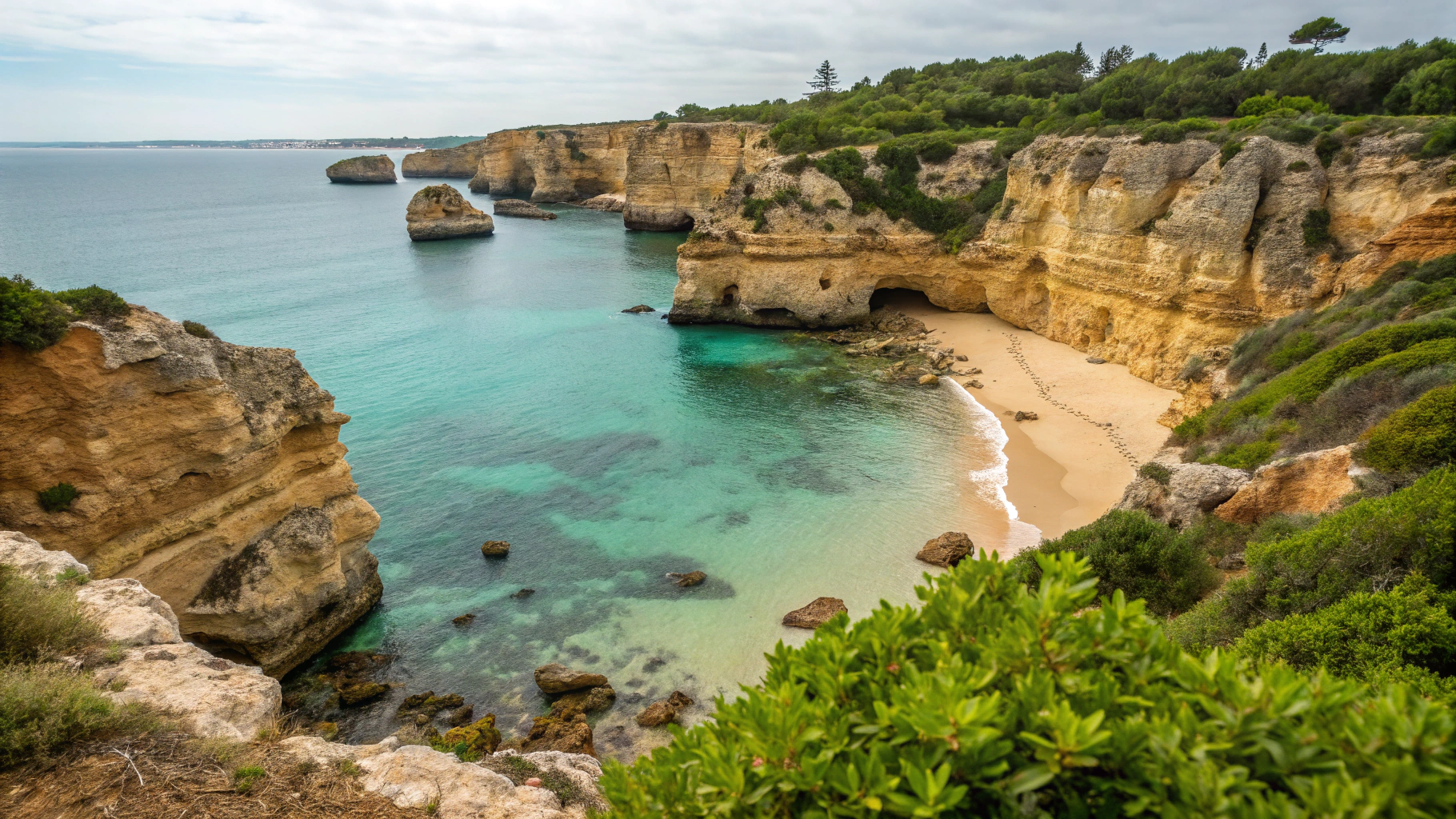
The Algarve, Portugal’s sun-drenched southern coast, has long been the crown jewel of European beach destinations. With its dramatic limestone cliffs, golden sandy beaches, and crystal-clear turquoise waters, the Algarve offers a perfect blend of natural beauty, cultural heritage, and modern amenities that attract millions of visitors each year. Whether you’re planning a family vacation, a romantic getaway, or a solo adventure, this stunning region promises unforgettable experiences for every type of traveler.
Stretching across approximately 155 kilometers of Portugal’s southernmost coastline, the Algarve boasts a Mediterranean climate with over 300 days of sunshine annually, making it an ideal year-round destination. Beyond its world-famous beaches, the region is home to charming fishing villages, historic towns, lush nature reserves, and some of Europe’s best golf courses.
In this guide, we’ll explore the seven must-see beaches that showcase the incredible diversity of the Algarve coastline, along with insider tips, accommodation recommendations, and suggested activities to help you create the ultimate Algarve experience.
Table of Contents
Seven Spectacular Beaches of the Algarve: Nature’s Masterpieces
Praia da Marinha: The Algarve’s Postcard-Perfect Beach
Often featured in international tourism campaigns and consistently ranked among the world’s most beautiful beaches, Praia da Marinha epitomizes the breathtaking beauty that has made the Algarve famous worldwide. Located near Lagoa, this stunning beach is characterized by its iconic limestone formations, natural arches, and crystal-clear waters that make it a paradise for snorkelers and photographers alike.
The dramatic ochre cliffs that frame Praia da Marinha create a striking contrast against the azure Atlantic Ocean, while the calm, transparent waters reveal vibrant marine life just beneath the surface. To fully appreciate the beach’s splendor, take the clifftop walking trail that offers panoramic views perfect for capturing those Instagram-worthy shots of the Algarve coast.
While certainly popular during peak season, Praia da Marinha’s somewhat secluded location means it never feels as crowded as some other Algarve beaches. Access requires descending a wooden staircase built into the cliff face, which may not be suitable for those with mobility issues, but the effort is richly rewarded with one of southern Portugal’s most spectacular coastal vistas.
Benagil Beach and Sea Caves: The Algarve’s Hidden Wonder
Just a short distance from Praia da Marinha lies Benagil Beach, a charming cove that has gained international fame not for the beach itself, but for what lies nearby—the magnificent Benagil Cave (Algar de Benagil). This remarkable sea cavern has become one of the Algarve’s most sought-after attractions, featuring a natural oculus in its ceiling that creates a breathtaking light show on the small beach inside.
The cave can only be accessed from the sea, making it a perfect excursion for adventurous travelers. Numerous local operators offer boat tours, kayak rentals, and stand-up paddleboard experiences that allow visitors to explore this natural wonder. For the strongest swimmers, it’s possible to reach the cave independently from Benagil Beach, though this should only be attempted in ideal sea conditions and by confident swimmers.
Beyond the famous cave, Benagil’s main beach offers a pleasant setting flanked by golden cliffs with beachside restaurants serving fresh seafood. The surrounding area features additional caves and grottoes that showcase the incredible erosive forces that have shaped the Algarve’s distinctive coastline over millennia.
Praia da Falésia: The Algarve’s Endless Stretch of Beauty
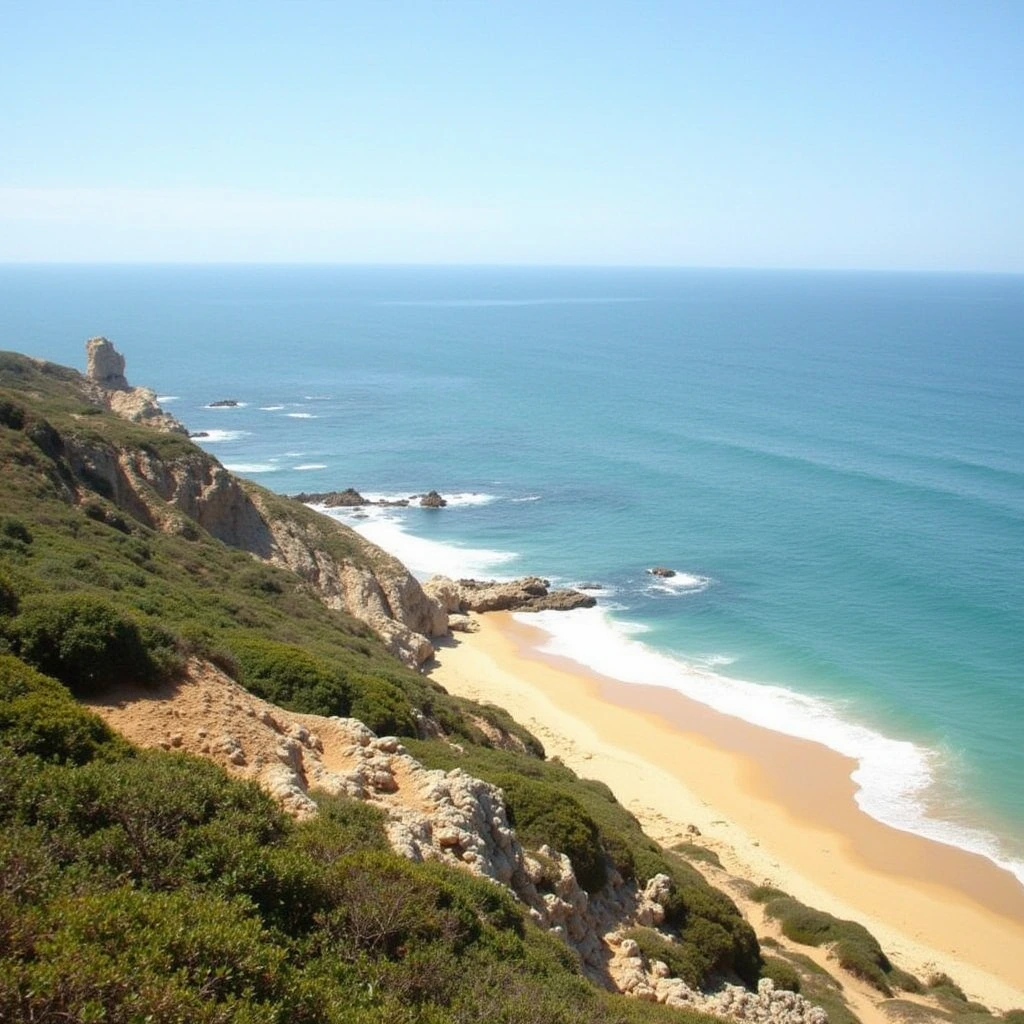
For those who prefer long walks along seemingly endless shorelines, Praia da Falésia delivers one of the Algarve’s most impressive stretches of sand. Extending for nearly six kilometers from Vilamoura to Olhos de Água, this stunning beach is distinguished by its rust-red cliffs that create a dramatic backdrop against the golden sands and blue waters.
The name “Falésia” (meaning “cliff” in Portuguese) perfectly describes the beach’s defining feature—the towering ochre and red cliffs topped with pine forests that run along its entire length. The contrast of colors creates a uniquely beautiful landscape that changes throughout the day as the sunlight shifts across the rock faces.
Despite its popularity and Blue Flag status, Praia da Falésia’s vast expanse means visitors can always find a peaceful spot to spread out their towels, even during high season. The beach is well-served by wooden boardwalks and staircases at various access points, with facilities including restaurants, bars, and water sports rentals available in the more developed sections.
Praia do Camilo: The Algarve’s Intimate Coastal Gem
Nestled near Lagos, Praia do Camilo represents the Algarve at its most enchantingly intimate. Accessed via a wooden staircase of 183 steps that descends through the ochre cliffs, this small but perfectly formed beach offers a secluded atmosphere despite its popularity.
What Praia do Camilo lacks in size, it more than makes up for in natural beauty. The beach is actually composed of two small sandy coves connected by a short tunnel carved through the rock. Surrounded by sculptural rock formations and crystal-clear waters in shades of turquoise and emerald, it creates an almost otherworldly setting that captures the essence of the Algarve’s coastal magic.
The limited space means Praia do Camilo can become crowded during peak season, so arriving early is recommended. While facilities are minimal—there’s just one small restaurant at the top of the stairs—the breathtaking scenery and excellent swimming conditions make it well worth the effort to visit this southern Portugal treasure.
Meia Praia: The Algarve’s Expansive Family-Friendly Haven
For visitors seeking a more spacious and accessible beach experience, Meia Praia offers the Algarve’s longest beach—a magnificent four-kilometer stretch of fine golden sand near Lagos. Its gently sloping shoreline and calm waters make it particularly well-suited for families with children, while its vast expanse ensures there’s always room for everyone, even during the busiest summer months.
Unlike many Algarve beaches that are enclosed by cliffs, Meia Praia presents a more open landscape with dunes backing the beach and panoramic views across Lagos Bay. This accessibility makes it one of the region’s most popular beaches, with excellent facilities including beach clubs, restaurants, water sports centers, and disabled access points.
The beach’s western end lies close to Lagos marina and town center, making it convenient for combining beach time with urban exploration of one of the Algarve’s most historic and vibrant towns. At its eastern end, the beach becomes quieter and more natural—perfect for those seeking a more tranquil experience within walking distance of amenities.
Beyond the Beaches: Exploring the Algarve’s Cultural Heritage
Historic Towns and Villages
While the beaches may be the initial draw for most visitors, the Algarve’s rich cultural tapestry deserves equal attention. The region’s strategic location has resulted in a fascinating history influenced by Phoenicians, Romans, Moors, and Portuguese mariners, all leaving their mark on the architecture, cuisine, and traditions.
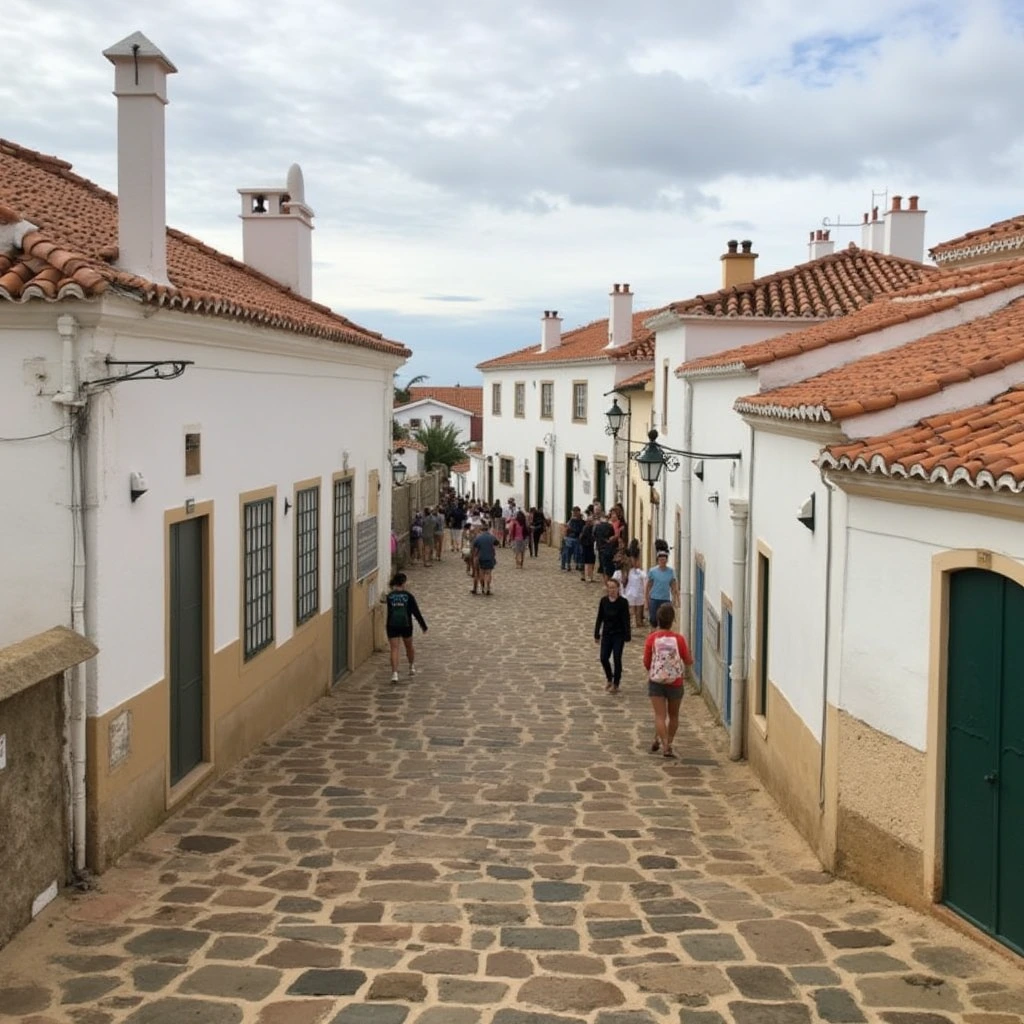
Lagos, with its ancient city walls, historic churches, and connection to Portugal’s Age of Discoveries, offers a perfect introduction to the Algarve’s heritage. Wander through its charming old town, visit the Slave Market Museum for insights into the darker aspects of Portuguese history, or explore the ornate Church of Saint Anthony with its impressive gilded woodwork.
Equally compelling is Tavira, often described as the Algarve’s most beautiful town. With its Roman bridge, converted Moorish castle, and over 30 churches, Tavira exudes old-world charm and provides a glimpse into the region’s multi-layered past. The town’s relaxed atmosphere and riverside setting make it ideal for unhurried exploration.
Culinary Delights: A Taste of Southern Portugal
No trip to the Algarve would be complete without savoring its distinctive cuisine, which combines the bounty of the Atlantic with Mediterranean influences and local traditions. Seafood naturally dominates many menus, with grilled sardines, cataplana (seafood stew cooked in a distinctive copper pan), and arroz de marisco (seafood rice) being regional staples.
For the ultimate culinary experience, visit a beachside restaurant in a fishing village like Olhão or Quarteira, where the day’s catch is transformed into simple but exceptional dishes. The Algarve’s fishing tradition remains vibrant, and there’s nothing quite like enjoying freshly caught fish while overlooking the ocean.
Don’t miss the opportunity to sample piri-piri chicken, another regional specialty with roots in Portugal’s colonial connections, or the sweet treats like Dom Rodrigos and marzipan fruits that showcase the Algarve’s Moorish culinary heritage. Local markets in towns like Loulé offer a colorful introduction to the region’s produce and artisanal food products, including the famous flor de sal harvested from traditional salt pans.
Adventure and Activities: The Algarve Beyond Sunbathing
Water Sports and Marine Experiences in the Algarve
The Algarve’s consistent sunshine and varied coastline create perfect conditions for water sports enthusiasts of all levels. From beginner-friendly surfing at Praia do Amado to challenging waves for experienced surfers at Sagres, the western Algarve has become a surf mecca with schools and rental shops dotting the coast.
For those preferring a more gentle pace, stand-up paddleboarding through the serene waterways of Ria Formosa Natural Park offers a unique perspective on this protected coastal wetland and its abundant birdlife. Kayaking excursions to explore the sea caves and grottoes around Lagos and Benagil provide active ways to discover the coastline’s hidden treasures.
The clear waters of the Algarve also make it an excellent destination for snorkeling and diving, with sites suitable for all experience levels. Marine life encounters are particularly memorable at protected areas like the artificial reef created by the Ocean Revival underwater museum near Portimão, where purposely sunk naval ships now host vibrant marine ecosystems.
Hiking and Nature Exploration in Southern Portugal
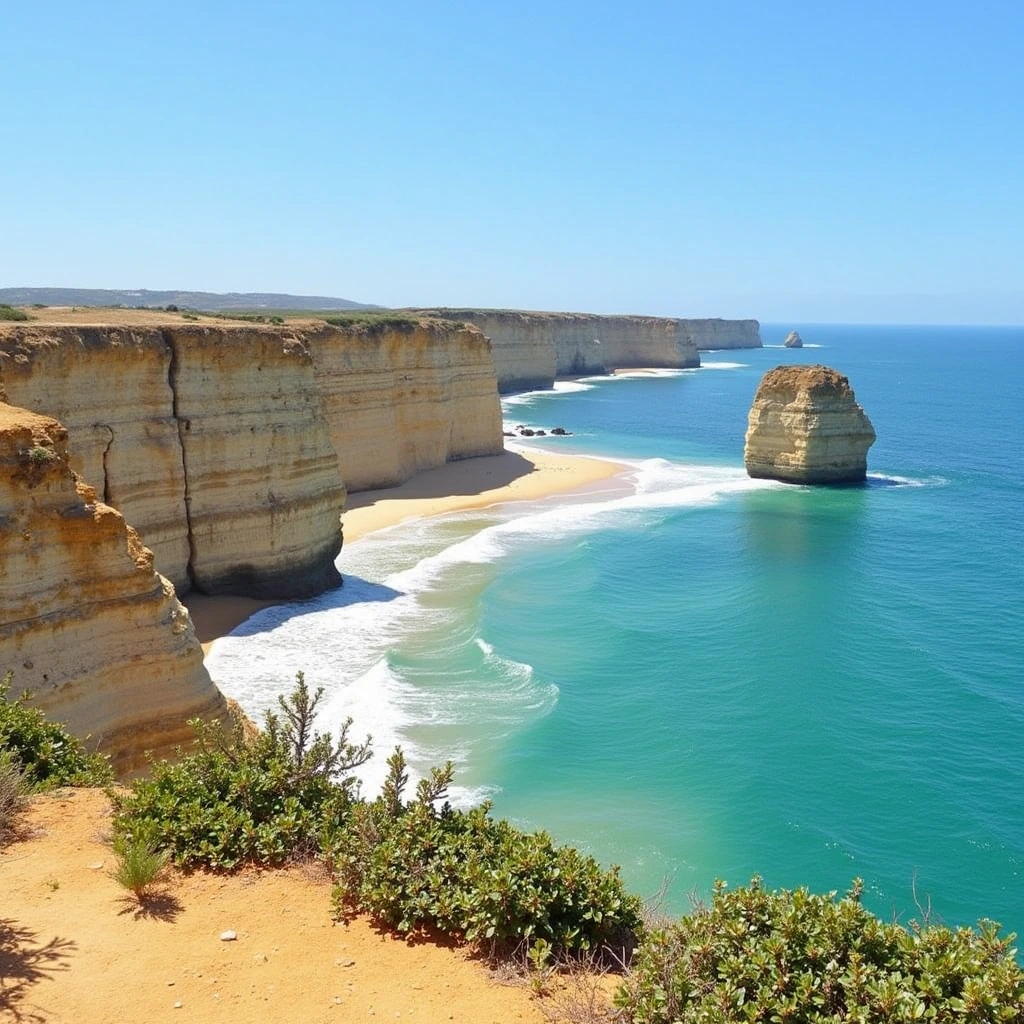
When you need a break from the beaches, the Algarve’s diverse terrain offers spectacular hiking opportunities. The famous Seven Hanging Valleys Trail near Lagoa is perhaps the most celebrated route, taking walkers along dramatic clifftops between Praia da Marinha and Praia de Vale Centeanes with breathtaking coastal views throughout its seven-kilometer length.
For a completely different landscape, head inland to the Serra de Monchique, the Algarve’s mountain range, where lush forests and bubbling springs create a refreshing contrast to the coastal areas. The climb to Fóia, the highest point in the Algarve at 902 meters, rewards hikers with panoramic views that can extend all the way to the coast on clear days.
Birdwatching enthusiasts should not miss Ria Formosa Natural Park, a complex lagoonal system covering 60 kilometers of coastline. This protected wetland serves as a crucial habitat for migratory birds and rare species like the purple swamphen, with visitor centers and boardwalk trails making wildlife observation accessible to all ages.
Planning Your Algarve Vacation: Practical Tips and Insights
When to Visit the Algarve: Seasonal Considerations
While the Algarve enjoys a mild climate year-round, timing your visit can significantly impact your experience. High season (July-August) brings guaranteed sunshine and vibrant atmosphere but also peak crowds and prices. For many travelers, the sweet spots are late spring (May-June) and early autumn (September-October), when you can enjoy warm weather and beach-worthy temperatures with fewer crowds and more reasonable accommodation rates.
Winter in the Algarve (November-March) offers a completely different but equally appealing experience. Though some coastal businesses close for the season, temperatures remain mild (often reaching 16-20°C/60-68°F during the day), and the region takes on a peaceful authenticity. This period is ideal for golf enthusiasts, cultural exploration, and nature activities, with the added bonus of almond trees blossoming in January and February, creating spectacular landscapes.
For those specifically interested in surfing, the winter months bring the best conditions to the western Algarve, while bird watchers might prefer spring and autumn migration periods for maximum diversity at Ria Formosa and other natural areas.
Accommodation Options: Where to Stay in the Algarve
The Algarve offers accommodation to suit every preference and budget, from luxury resorts to charming guesthouses and self-catering apartments. Your choice largely depends on what kind of Algarve experience you’re seeking.
For travelers prioritizing beach access and nightlife, Albufeira provides a central location with abundant entertainment options, though its popularity means parts of the town can become quite commercialized during summer. Lagos offers a more balanced alternative, combining beautiful beaches with historic charm and a youthful, laid-back atmosphere.
Those seeking a quieter, more authentic experience might prefer the eastern Algarve towns like Tavira or Olhão, where traditional Portuguese life continues alongside tourism. For luxury seekers, the “Golden Triangle” area between Vilamoura, Vale do Lobo, and Quinta do Lago offers upscale resorts, world-class golf courses, and pristine beaches.
Getting Around: Transportation in the Algarve
While many visitors opt to rent a car for maximum flexibility in exploring the Algarve’s dispersed attractions, it’s entirely possible to enjoy the region using public transportation. The coastal train line connects Faro to Lagos with stops at major towns along the way, offering an inexpensive option with scenic views. Regional buses operated by Eva Transportes cover a wider network of destinations, including inland villages and more remote beaches.
For beach-hopping in areas like the dramatic western coast near Sagres or accessing the boat-only beaches of Ria Formosa, joining organized excursions can be both convenient and environmentally responsible. Many towns also offer bike rental services, providing a healthy and eco-friendly way to explore local areas, particularly along the numerous cycling routes developed in recent years.
Taxis and ride-sharing services are readily available in tourist areas, offering convenient options for shorter journeys or evening outings when public transport is limited. However you choose to travel, allocating time to venture beyond your immediate base will reward you with a much richer understanding of the Algarve’s diversity.
Sustainable Tourism in the Algarve: Preserving Paradise
Eco-Friendly Travel Practices in Southern Portugal
As the Algarve’s popularity continues to grow, conscientious travelers can make meaningful contributions to preserving the region’s natural beauty and cultural integrity. Simple practices like using reef-safe sunscreen, carrying reusable water bottles, and respecting protected areas help minimize environmental impact, especially on fragile coastal ecosystems.
Many local businesses are embracing sustainability, from organic vineyards offering eco-tours to restaurants specializing in locally-sourced, seasonal ingredients. By seeking out these establishments, visitors support the growing movement toward responsible tourism while often enjoying more authentic experiences.
The Algarve Tourism Board has been promoting off-season travel and inland exploration as sustainable alternatives to summer beach tourism, helping to distribute the economic benefits of tourism more evenly throughout the year and region. Participating in these initiatives by visiting during shoulder seasons or exploring less-visited inland areas allows travelers to experience a more authentic Algarve while reducing pressure on popular coastal destinations.
Protecting the Algarve’s Natural Treasures
Several of the Algarve’s most precious natural areas enjoy protected status, including Ria Formosa Natural Park, Southwest Alentejo and Vicentine Coast Natural Park, and Castro Marim Salt Marsh Nature Reserve. These designations help preserve biodiversity and traditional human activities that have shaped these landscapes over centuries.
Visitors can support conservation efforts by respecting regulations in protected areas, staying on marked trails, and participating in beach clean-ups organized by local environmental groups. For those interested in a more hands-on approach, volunteering opportunities exist with organizations like the Wildlife Rehabilitation and Research Centre of Ria Formosa, which cares for injured wildlife and conducts important conservation research.
The growing problem of coastal erosion threatens some of the Algarve’s most iconic beaches, with climate change and intensive development accelerating natural processes. By staying informed about these issues and supporting sustainable tourism initiatives, visitors can help ensure that the region’s natural beauty remains intact for future generations.
Frequently Asked Questions About Algarve Travel
What’s the best time of year to visit the Algarve for beach vacation?
The ideal time for an Algarve beach vacation is during the late spring to early autumn period (May to October). July and August offer the warmest temperatures (averaging 25-30°C/77-86°F) and warmest sea temperatures, but also bring the largest crowds and highest prices. For a more balanced experience, consider June or September, when you’ll enjoy excellent weather with temperatures around 23-28°C (73-82°F), warm enough sea for comfortable swimming, and significantly fewer crowds. The shoulder season also offers better value for accommodations and easier reservations at popular restaurants and activities. If you’re not primarily focused on swimming, even October can provide pleasantly warm days perfect for beach walks and outdoor dining.
Is the Algarve suitable for family vacations with young children?
The Algarve ranks among Europe’s most family-friendly destinations, with numerous attributes that make it perfect for traveling with children of all ages. Many beaches feature calm, shallow waters ideal for young swimmers, with Praia da Rocha, Meia Praia, and Praia da Luz being particularly well-suited for families. Beyond the beaches, the region offers family-oriented attractions like Zoomarine (combining marine life education with waterpark fun), Slide & Splash waterpark, and boat trips specifically designed for dolphin watching and cave exploration. Most restaurants warmly welcome children, and the Portuguese culture generally embraces family togetherness. Additionally, the short flight time from most European capitals makes the journey manageable even with young travelers, while the minor time difference helps avoid significant jet lag.
How can I visit the famous Benagil Cave in the Algarve?
The iconic Benagil Cave can only be accessed from the water, offering several options depending on your preferences and abilities. The most popular method is joining a boat tour from nearby towns like Portimão, Albufeira, or Benagil Beach itself. These tours typically last 1-2 hours and include visits to multiple sea caves along the coast. For a more active experience, kayak and stand-up paddleboard tours allow you to enter the cave directly (weather permitting) and offer a more intimate experience. Strong swimmers can reach the cave from Benagil Beach by swimming approximately 200 meters each way, though this should only be attempted in calm sea conditions, preferably with a swimming buddy and flotation device.
What are some must-try local foods and drinks in the Algarve region?
The Algarve’s cuisine reflects its coastal geography and cultural heritage, offering distinctive flavors that form an essential part of any visit. Seafood naturally dominates, with cataplana (a seafood stew named after the distinctive copper pot it’s cooked in) being the signature regional dish. Other seafood specialties include amêijoas à Bulhão Pato (clams in garlic and cilantro sauce) and arroz de marisco (seafood rice). Moving inland, piri-piri chicken showcases the Portuguese connection to African spices, while game dishes and slow-cooked pork feature prominently in mountain villages. For dessert, don’t miss Dom Rodrigos (egg-based sweets wrapped in colorful foil) and almond-based treats that reflect the region’s Moorish influences.
Is it necessary to rent a car to explore the Algarve effectively?
While renting a car provides maximum flexibility for exploring the Algarve’s diverse attractions, it’s certainly possible to enjoy a fulfilling vacation using alternative transportation. The regional train line connects Faro to Lagos with stops at major coastal towns, offering an affordable option for east-west travel along the central Algarve. The comprehensive bus network operated by Eva Transportes reaches more remote locations, including inland villages and western coast beaches. Many tourism companies offer excursions to popular attractions like Benagil Cave, Ria Formosa, and historic towns, often with hotel pickup included. For shorter distances, coastal towns like Albufeira, Lagos, and Tavira are pedestrian-friendly, with local buses connecting town centers to nearby beaches.
What are some hidden gems in the Algarve that most tourists miss?
Beyond the famous beaches and tourist centers, the Algarve harbors numerous lesser-known treasures that reward more adventurous travelers. In the eastern Algarve, Cacela Velha offers a pristine, uncrowded beach accessible only by boat or a walk across the lagoon at low tide, plus a tiny whitewashed village with spectacular viewpoints. Inland, the village of Alte with its natural springs and traditional architecture provides a glimpse of authentic rural Algarve life. The Costa Vicentina on the western Atlantic coast features wild, dramatic beaches like Praia do Amado and Praia da Bordeira, popular with surfers but still maintaining a natural, undeveloped character.
Conclusion: The Algarve’s Timeless Appeal
The Algarve’s perfect combination of natural beauty, cultural richness, and modern comforts continues to captivate travelers from around the world. Far more than just a beach destination, this diverse region rewards those who take time to explore its many facets—from dramatic coastlines to historic villages, from culinary traditions to outdoor adventures.
Whether you’re watching the sunset from the cliffs near Cabo de São Vicente, savoring fresh seafood in a beachside restaurant, navigating a stand-up paddleboard through sea caves, or wandering the cobbled streets of a historic town, the Algarve offers moments of discovery and delight that create lasting memories.
As you plan your own Algarve adventure, remember that the region’s greatest treasures often lie beyond the most obvious attractions. By venturing a little further, engaging with local communities, and maintaining an open mind, you’ll discover the authentic southern Portugal that keeps travelers returning year after year.
The seven beaches highlighted in this guide merely scratch the surface of what the Algarve coastline has to offer. With over 100 beaches stretching across 200 kilometers of shoreline, each with its own character and charm, the region promises new discoveries even for returning visitors. Whether you seek bustling beaches with full amenities or secluded coves accessible only by boat or hiking trail, the perfect patch of Algarve sand awaits you.