
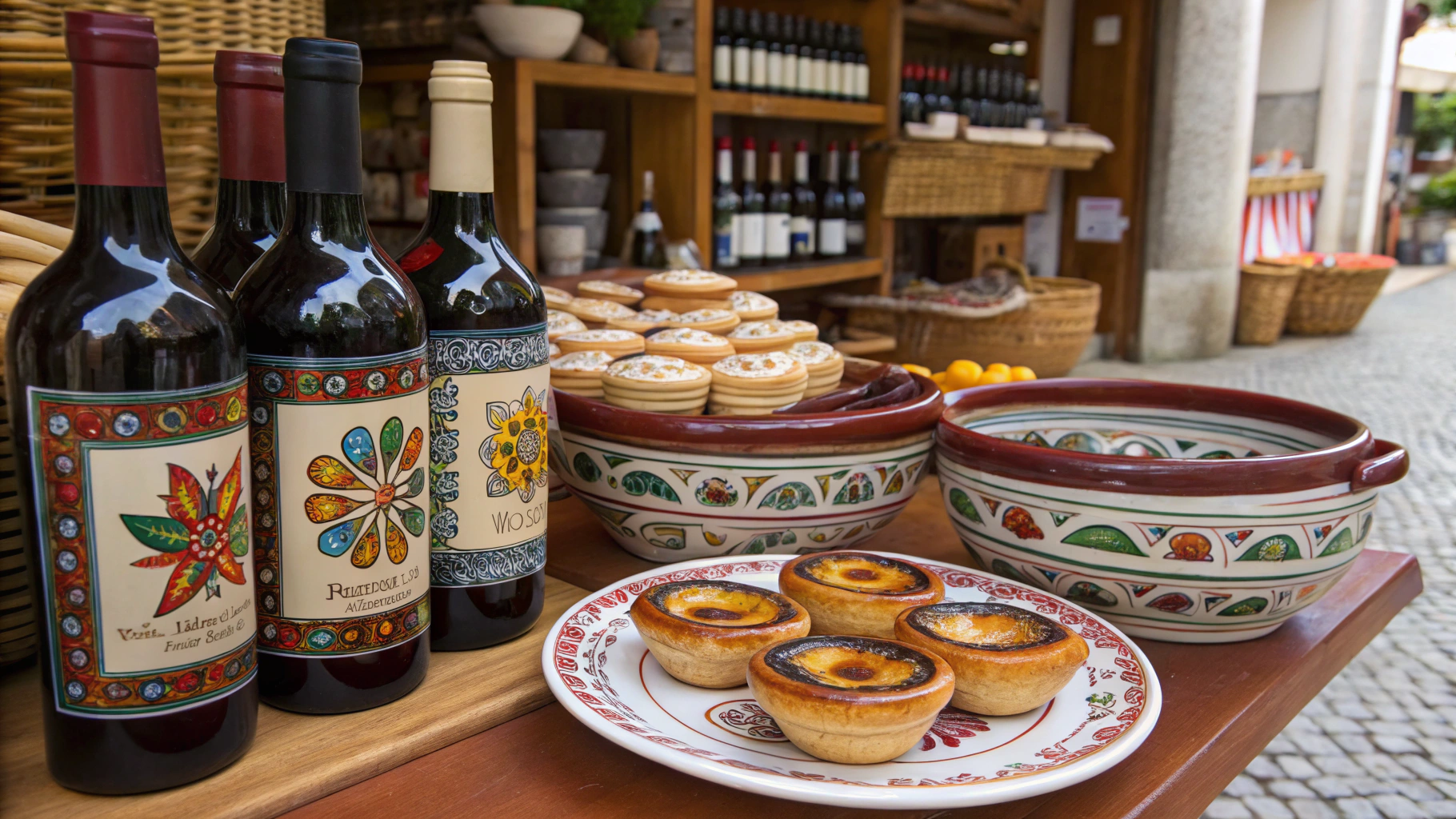
What to Buy in Portugal, a land of mesmerizing coastlines, rich history, and vibrant culture, isn’t just a feast for the eyes and soul—it’s a shopping paradise too. When considering what to buy in Portugal, you’ll find yourself spoilt for choice with unique treasures that reflect the country’s fascinating heritage and artisanal expertise. From delectable food items to exquisite handicrafts, the perfect Portuguese souvenir awaits you at every corner. This comprehensive guide will walk you through the most authentic, must-buy items in Portugal that deserve space in your suitcase and will bring a piece of this remarkable country back home with you.
Table of Contents
Traditional Portuguese Ceramics and Pottery: What to Buy in Portugal
Azulejos: The Iconic Portuguese Tiles
The blue and white tiles adorning buildings across Portugal tell stories of the country’s rich historical past. These azulejos aren’t just architectural elements—they’re pieces of art that make for perfect souvenirs. When deciding what to buy in Portugal, consider picking up small azulejo pieces from reputable shops in Lisbon or Porto. These can range from simple coasters to elaborate decorative panels. Authentic azulejos feature hand-painted designs with intricate details, often depicting historical scenes, maritime adventures, or geometric patterns inspired by Moorish influences.
Ceramics from Caldas da Rainha
The town of Caldas da Rainha has been a ceramics powerhouse since the 19th century. Its most recognizable products are the quirky, sometimes risqué figurines designed by Rafael Bordalo Pinheiro. The cabbage-shaped pottery (Couve Portuguesa) is particularly famous, ranging from serving dishes to tureens. These distinctive green pieces make unique gifts from Portugal that will add character to any dining table. When shopping here, look for the Bordalo Pinheiro factory store for the best quality and selection.
Traditional Pottery from the Alentejo Region
In the Alentejo region, particularly in towns like São Pedro do Corval, centuries-old pottery traditions continue to thrive. The earthy, red clay products often feature yellow and green glazes with simple yet beautiful designs inspired by nature. From practical cooking pots (assadores) to decorative pieces, these items represent authentic Portuguese craftsmanship. When choosing Portuguese souvenirs to bring home from this region, opt for smaller pieces that can be easily transported, such as olive oil containers or small bowls.
Cork Products: Portugal’s Sustainable Treasures
Cork Fashion Accessories
As the world’s leading cork producer, Portugal offers an impressive array of innovative cork products. Beyond the traditional wine stoppers, you’ll find fashionable accessories made from this sustainable material. Cork handbags, wallets, and even jewelry have become popular items to shop for in Lisbon and other major cities. These lightweight, water-resistant, and eco-friendly accessories combine practicality with style, making them perfect unique gifts from Portugal.
Cork Home Decor Items
Portuguese artisans have mastered the art of transforming cork into beautiful home decor pieces. From placemats and coasters to decorative bowls and vases, these items blend natural beauty with functionality. When considering what to buy in Portugal for your home, cork products offer the perfect balance of authenticity, practicality, and environmental consciousness. Many shops in tourist areas offer cork products, but for the best selection, visit specialized stores like Cork & Co in Lisbon.
Sustainable Cork Souvenirs
For environmentally conscious travelers wondering what to buy in Portugal, cork presents numerous options for sustainable souvenirs. Notebook covers, phone cases, and even umbrellas made from cork showcase Portuguese innovation while supporting eco-friendly practices. These lightweight items are easy to pack and serve as wonderful conversation starters about your Portuguese adventures when you return home.
Portuguese Textiles and Embroidery: What to Buy in Portugal
Traditional Embroidery from Madeira
Madeira’s exquisite embroidery tradition dates back centuries and remains one of Portugal’s most refined crafts. These delicate, hand-embroidered linens feature intricate floral patterns and open-work designs that require immense skill and patience. Table linens, handkerchiefs, and clothing embellished with Madeira embroidery represent must-buy items in Portugal for those who appreciate fine craftsmanship. Look for the certification label to ensure you’re purchasing authentic Madeira embroidery.
Arraiolos Rugs and Carpets
The town of Arraiolos in the Alentejo region has been producing stunning hand-embroidered wool rugs since the Middle Ages. These colorful carpets feature intricate patterns inspired by Persian designs but with distinctly Portuguese interpretations. While traditional Arraiolos rugs can be large and expensive, smaller versions make excellent Portuguese souvenirs to bring home. The craftsmanship involved in creating these pieces makes them heirlooms rather than simple souvenirs.
Traditional Portuguese Blankets
The colorful woolen blankets from the Serra da Estrela mountain region represent centuries of textile tradition. These blankets, known as “mantas,” feature bold stripes and geometric patterns in vibrant colors. Originally used by shepherds, today they make stylish throws for modern homes. When deciding what to shop for in Portugal, these blankets offer both authenticity and functionality, serving as beautiful reminders of Portugal’s pastoral heritage.
Portuguese Wines and Spirits: What to Buy in Portugal
Port Wine: Portugal’s Liquid Gold
No list of what to buy in Portugal would be complete without mentioning Port wine. This fortified wine from the Douro Valley comes in various styles—Ruby, Tawny, White, and Vintage—each offering unique flavors and aging potential. When shopping for Port, consider visiting the cellars in Vila Nova de Gaia near Porto for tasting sessions before making your selection. Limited edition Vintage Ports make particularly special gifts, though excellent non-vintage options are more affordable and equally delightful.
Madeira Wine: A Historic Delicacy
Madeira wine’s unique production process involves deliberately heating the wine, resulting in a virtually indestructible beverage that can last for decades even after opening. This fortified wine comes in styles ranging from dry (Sercial) to sweet (Malmsey), making it one of the best local products to buy in Portugal for wine enthusiasts. Its rich history—it was used to toast America’s Declaration of Independence—adds to its appeal as a meaningful souvenir.
Ginjinha: The Traditional Cherry Liqueur
For a truly authentic taste of Portugal in a more portable package, look no further than Ginjinha (or simply Ginja). This sweet cherry liqueur is particularly associated with Lisbon and Óbidos. Often served in small chocolate cups that you eat after drinking the liqueur, Ginja offers a delightful taste experience. Bottles of this ruby-colored spirit make affordable and unique gifts from Portugal that capture the country’s culinary heritage.
Emerging Portuguese Wines
Beyond the famous fortified wines, Portugal’s table wines have gained international recognition for their exceptional quality and value. Regions like Alentejo, Dão, and Vinho Verde produce distinctive wines worth exploring. When considering what to buy in Portugal for wine lovers, look for bottles featuring indigenous Portuguese grape varieties like Touriga Nacional or Alvarinho for truly authentic experiences that can’t be easily found elsewhere.
Portuguese Gourmet Food Products: What to Buy in Portugal
Olive Oils from Different Regions
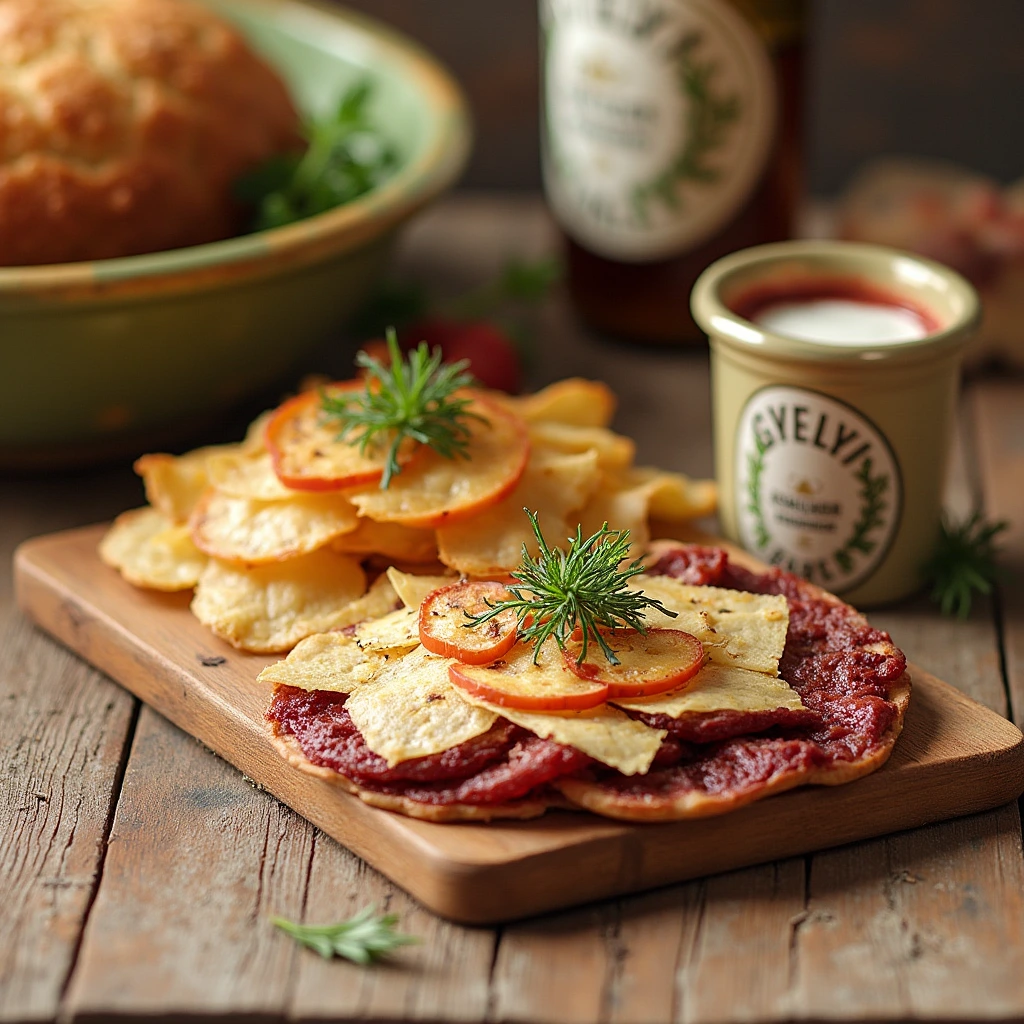
Portugal produces exceptional olive oils with distinctive regional characteristics. From the robust oils of Alentejo to the more delicate varieties from the north, these liquid treasures make excellent Portuguese souvenirs to bring home. Look for DOP (Protected Designation of Origin) certification to ensure authenticity. Many producers offer attractively packaged gift sets that include multiple varieties, allowing recipients to compare different regional styles.
Traditional Portuguese Preserves
Portugal’s tradition of preserving fruits dates back centuries. From the famous Pumpkin Jam with Walnuts (Doce de Abóbora com Nozes) to unique tomato jam (Doce de Tomate), these sweet preserves make delightful souvenirs. When deciding what to buy in Portugal for food lovers, consider visiting traditional grocery stores like A Vida Portuguesa to find beautifully packaged preserves made according to time-honored recipes.
Portuguese Canned Fish
Portuguese tinned fish elevates canned seafood to an art form. Brands like Conserveira de Lisboa and José Gourmet offer exquisitely packaged sardines, mackerel, and tuna that are worlds apart from ordinary canned fish. Often featuring artistic, vintage-style packaging, these cans make both practical and visually appealing souvenirs. For those wondering what to shop for in Lisbon specifically, a visit to the historic Conserveira de Lisboa store is a must.
Salt Flower (Flor de Sal)
Harvested from the surface of saltpans in regions like the Algarve and Castro Marim, flor de sal (salt flower) is considered the caviar of salts. Its delicate flakes and nuanced flavor make it a favorite among chefs worldwide. Often infused with local herbs like oregano or spices like piri-piri, these salt varieties make light, affordable, and much-appreciated souvenirs for cooking enthusiasts looking for authentic Portuguese goods.
Portuguese Jewelry and Filigree: What to Buy in Portugal
Gold Filigree: Portugal’s Golden Lace
The art of filigree—intricate metalwork resembling delicate lace—has been practiced in Portugal since ancient times, particularly in the northern regions. Traditional filigree pieces like the Heart of Viana (Coração de Viana) represent some of the most beautiful traditional Portuguese products to purchase. While gold filigree can be expensive, silver versions offer more affordable options while still showcasing the remarkable craftsmanship.
Contemporary Portuguese Jewelry
Modern Portuguese designers are creating innovative jewelry that draws inspiration from traditional techniques while incorporating contemporary aesthetics. When considering what to buy in Portugal for jewelry lovers, look beyond tourist shops to discover studios and boutiques featuring works by emerging designers. Cities like Porto and Lisbon host numerous independent jewelers creating unique pieces that blend Portugal’s rich metallurgic heritage with modern sensibilities.
Azulejo-Inspired Jewelry
Many Portuguese designers create jewelry inspired by the country’s iconic azulejo tiles. These pieces—ranging from earrings and pendants to bracelets—capture the distinctive blue and white patterns in miniature form. For travelers wondering what to buy in Portugal that combines traditional aesthetics with wearable art, these pieces offer perfect solutions that won’t take up much luggage space.
Traditional Portuguese Handicrafts: What to Buy in Portugal
Hand-Painted Wooden Toys
In regions like Alentejo, artisans continue the tradition of crafting and hand-painting wooden toys using techniques passed down through generations. These charming items—from spinning tops to whistles and figurines—make perfect souvenirs for children or collectors of folk art. Their bright colors and simple designs capture the essence of Portuguese rural traditions, making them authentic Portuguese goods worth bringing home.
Handmade Leather Goods
Portugal has a long-standing leather-working tradition, with regions like Alentejo producing exceptional quality goods. From practical items like belts and wallets to more decorative pieces, Portuguese leather products combine quality materials with skilled craftsmanship. When shopping for leather goods, look for items made with Portuguese leather rather than imported materials to ensure authenticity.
Traditional Basketry
Across Portugal, different regions maintain distinctive basketry traditions using materials like willow, reed, and chestnut. From the colorful baskets of Alentejo to the practical fishing baskets of coastal regions, these handcrafted items make beautiful and functional souvenirs. When deciding what to buy in Portugal that reflects rural traditions, consider smaller basket items that can be more easily transported in your luggage.
Regional Specialties and Where to Find Them: What to Buy in Portugal
Lisbon’s Unique Shopping Districts
Lisbon offers numerous shopping districts, each with its own character. The historic Baixa district features traditional shops like the famous Conserveira de Lisboa for tinned fish, while Chiado offers more upscale boutiques. For those wondering what to shop for in Lisbon, the Principe Real neighborhood hosts innovative concept stores featuring contemporary Portuguese designs. Don’t miss the LX Factory, a creative hub housed in a former industrial complex, where you’ll find unique gifts from Portugal created by local designers and artisans.
Porto’s Shopping Highlights
Porto’s shopping scene blends traditional and modern offerings. The Ribeira district features shops selling traditional items like Port wine and filigree jewelry, while the trendy Bombarda district showcases contemporary Portuguese design. When exploring what to buy in Portugal’s northern gem, visit the famous Livraria Lello bookstore for literary souvenirs and the Fernandes Mattos shop for authentic Portuguese cotton products that have been made the same way for generations.
Algarve’s Market Treasures
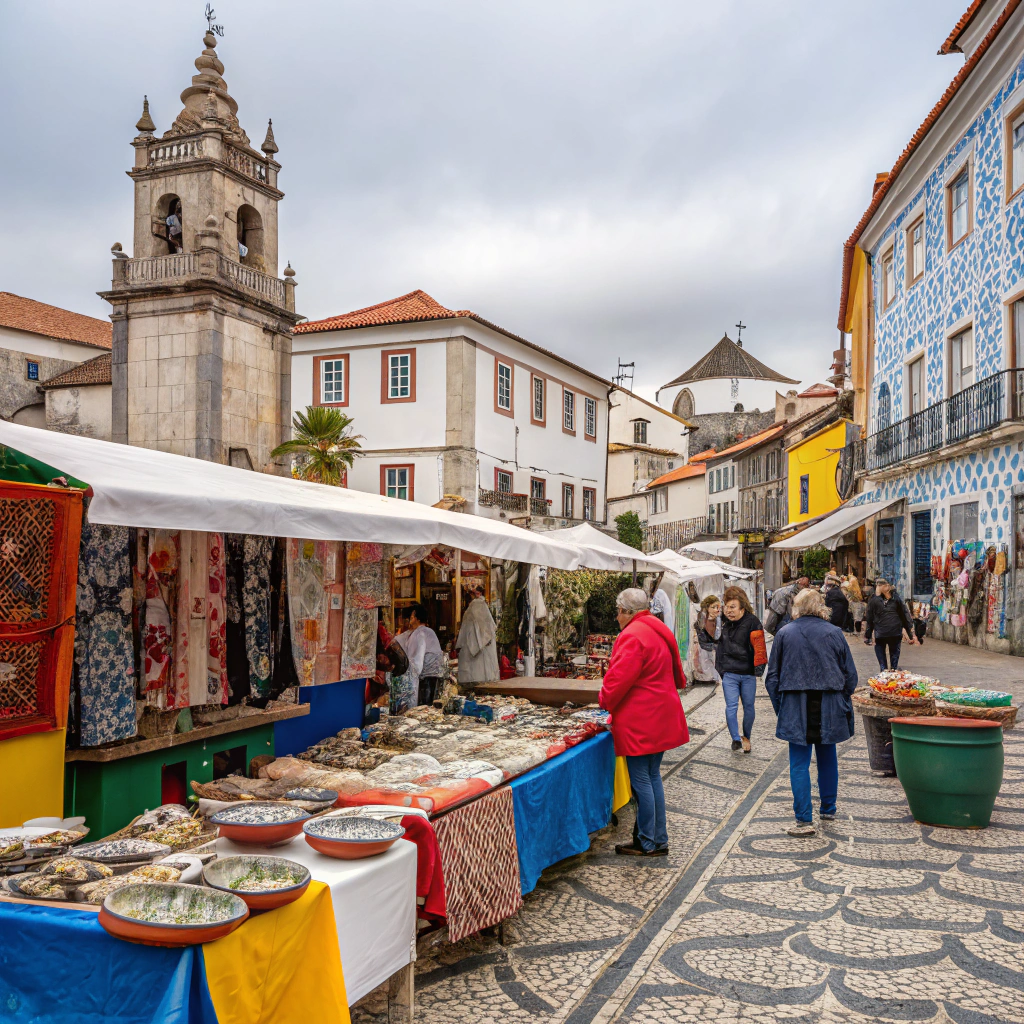
The Algarve region offers excellent opportunities to find authentic Portuguese goods at local markets. The Loulé Market, housed in an Arabian-inspired building, features local specialties like almond sweets and handcrafted items made from leather and palm leaves. Olhão’s fish market provides a glimpse into local life along with opportunities to purchase gourmet Portuguese food products from the surrounding stalls. These markets offer insights into regional specialties that make perfect souvenirs.
Madeira’s Unique Offerings
Beyond its famous embroidery and wine, Madeira offers several distinctive souvenirs. Wicker products from Camacha, including the traditional carapuça (a pointed wicker hat), showcase the island’s basketry traditions. The island’s unique poncha (a rum-based drink) makes an excellent beverage souvenir. When considering what to buy in Portugal’s Atlantic archipelago, don’t overlook the exotic tropical fruits, which can be purchased in preserved forms to enjoy back home.
FAQs About What to Buy in Portugal
What are the most authentic souvenirs to buy in Portugal?
The most authentic Portuguese souvenirs reflect the country’s rich cultural heritage and craftsmanship. Handmade items like azulejo tiles, cork products, and filigree jewelry represent Portugal’s unique traditions. For food lovers, Portuguese olive oil, conservas (tinned fish), and regional wines offer authentic flavors of the country. When seeking truly authentic souvenirs, look for certification marks like “Artesanato de Portugal” that guarantee traditional craftsmanship and local production methods rather than imported replicas.
Where can I find the best prices for Portuguese souvenirs?
For the best prices on Portuguese souvenirs, venture away from tourist hotspots and explore local markets, factory stores, and neighborhood shops. Cities like Porto and Coimbra often offer better prices than Lisbon. Traditional markets like Feira da Ladra (Lisbon’s flea market) provide opportunities for bargains, while outlet centers like Freeport Lisboa Fashion Outlet stock Portuguese brands at reduced prices. Remember that authentic, handcrafted items command higher prices than mass-produced souvenirs, reflecting the skill and time invested in their creation.
What’s the best Portuguese wine to bring home as a souvenir?
The best Portuguese wine souvenir depends on your preferences and budget. For special occasions, consider a Vintage Port or aged Tawny Port from renowned producers like Taylor’s, Graham’s, or Niepoort. If you prefer table wines, look for reds from the Douro or Alentejo regions, which offer excellent quality and aging potential. Vinho Verde makes a refreshing, affordable option that showcases Portugal’s unique wine style. For something truly distinctive, bring home Madeira wine, which will last indefinitely even after opening.
Are there any restrictions on bringing Portuguese food products back home?
Restrictions on bringing Portuguese food products into your home country vary depending on your destination. For travelers returning to the US, packaged products like olive oil, canned fish, cookies, and chocolate are generally permitted, while fresh produce, meat products, and unpasteurized cheese face restrictions. EU travelers face fewer limitations when traveling within the union. Always check the latest customs regulations for your destination country before purchasing food souvenirs, and keep receipts in case customs officials request them.
What is the best time of year to shop for souvenirs in Portugal?
Portugal offers good shopping opportunities year-round, but timing affects both selection and experience. Summer provides the most options as shops extend their hours, but also brings crowds and occasionally higher prices in tourist areas. Winter shopping offers a more relaxed experience with potential sales, especially during January. Spring and fall strike a balance between selection and crowd levels. For specialized items, plan around local festivals and fairs—like the National Handicrafts Fair in Vila do Conde (July) or the Chocolate Festival in Óbidos (February/March)—which showcase the best Portuguese products.
How can I identify authentic Portuguese crafts versus imported replicas?
To identify authentic Portuguese crafts, look for certification labels like “Artesanato de Portugal” (Portuguese Handicrafts) or region-specific certifications such as “Bordado da Madeira” for Madeira embroidery. Quality authentic items typically show slight variations that indicate handcrafting rather than machine production. Reputable shops will provide information about the artisans and production methods. Price can also be an indicator—authentic handcrafted items require significant labor and command higher prices than mass-produced replicas. When in doubt, ask the seller about the item’s origin and production process.
Conclusion: Bringing Portugal’s Treasures Home
The question of what to buy in Portugal leads to a journey through the country’s rich cultural heritage and artisanal traditions. From the delicate filigree jewelry of the north to the distinctive ceramics of the central regions, and from the cork innovations to the gastronomic delights found throughout the country, Portuguese souvenirs offer something for every taste and budget.
The best souvenirs aren’t just items to display—they’re tangible memories of your Portuguese adventure. When selecting what to bring home, consider pieces that tell a story, whether it’s the centuries-old tradition behind Madeira embroidery or the sustainable innovation represented by contemporary cork accessories.
Whatever you choose as your Portuguese souvenirs to bring home, the most valuable aspect will be the connection they maintain to this remarkable country long after your journey ends. Each time you sip that special bottle of Port, use your azulejo coaster, or wrap yourself in a traditional blanket, you’ll be transported back to the sun-drenched plazas, winding cobblestone streets, and warm hospitality that make Portugal such an unforgettable destination.
By seeking out authentic Portuguese goods and supporting local artisans, you’re not just collecting souvenirs—you’re helping preserve traditions and craftsmanship that have defined Portuguese culture for generations. In this way, the treasures you bring home become more than mementos; they become meaningful connections to Portugal’s past, present, and future.