
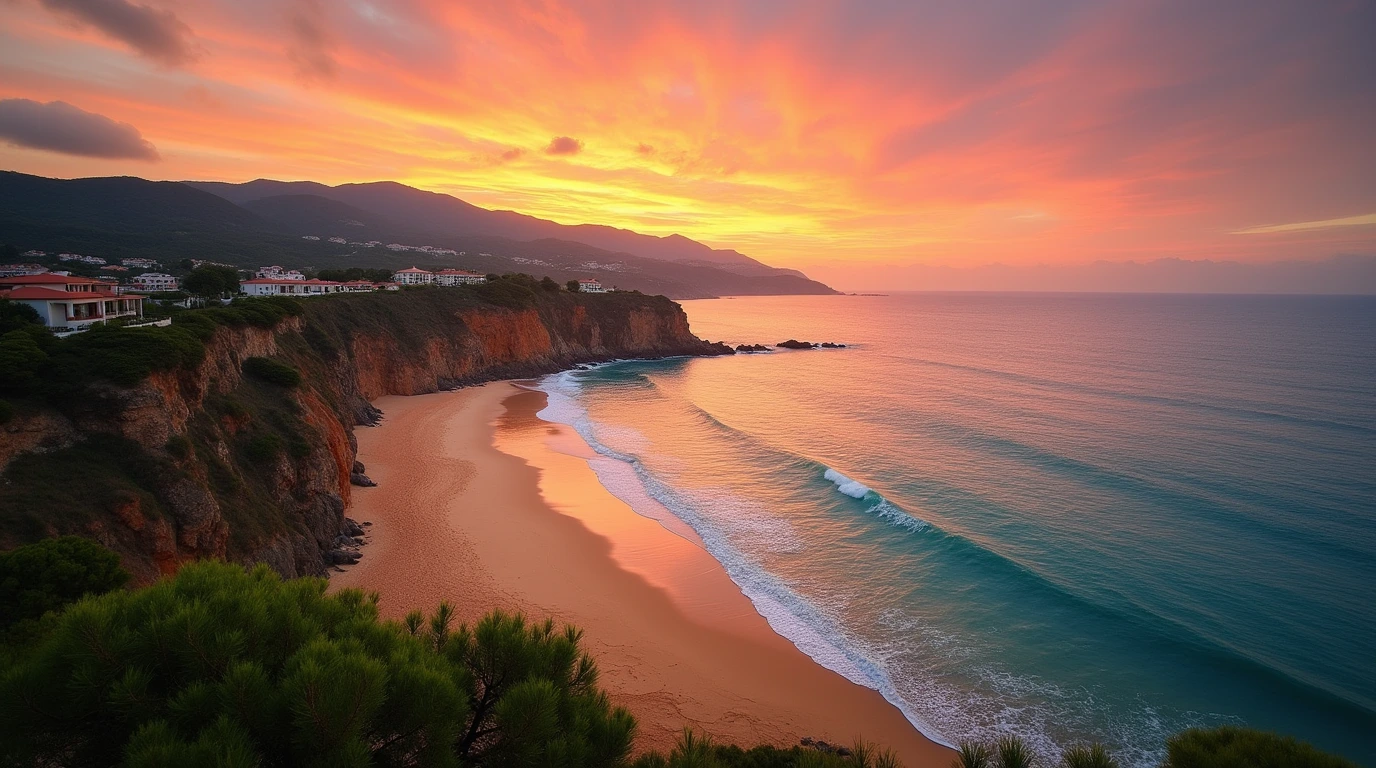
Costa Terra Portugal – Ever dreamt of a place where the azure waters meet unspoiled golden sands, where the scent of pine trees mingles with the salty air, and where luxury blends seamlessly with authentic Portuguese charm? Welcome to Costa Terra Portugal. But before you pack your bags and imagine yourself sipping cocktails on a sun-drenched terrace, let’s get real. While Costa Terra Portugal is undeniably a slice of paradise, like any coveted destination, it comes with its own set of considerations and potential challenges. This isn’t just about showcasing the picture-perfect views; it’s about providing you with a complete and honest perspective, empowering you to make informed decisions.
Table of Contents
What Makes Costa Terra Portugal So Special? A Deep Dive
So, what exactly is it about Costa Terra Portugal that has captured the attention of discerning travelers and investors alike? Is it merely the stunning scenery, or is there something more profound at play? The answer, as you might suspect, is a bit of both.
First and foremost, let’s talk about the natural beauty. Costa Terra Portugal isn’t just another pretty beach; it’s a symphony of landscapes. Imagine endless stretches of pristine coastline, backed by rolling hills covered in cork oak and umbrella pine forests. The air is clean, the skies are vast, and the overall sense of tranquility is palpable. It’s a place where you can truly disconnect from the hustle and bustle of modern life and reconnect with nature.
“The beauty of Costa Terra Portugal lies not just in its physical attributes, but in the feeling of serenity and escape it evokes.”
From Pristine Beaches to Lush Landscapes: A Visual Feast
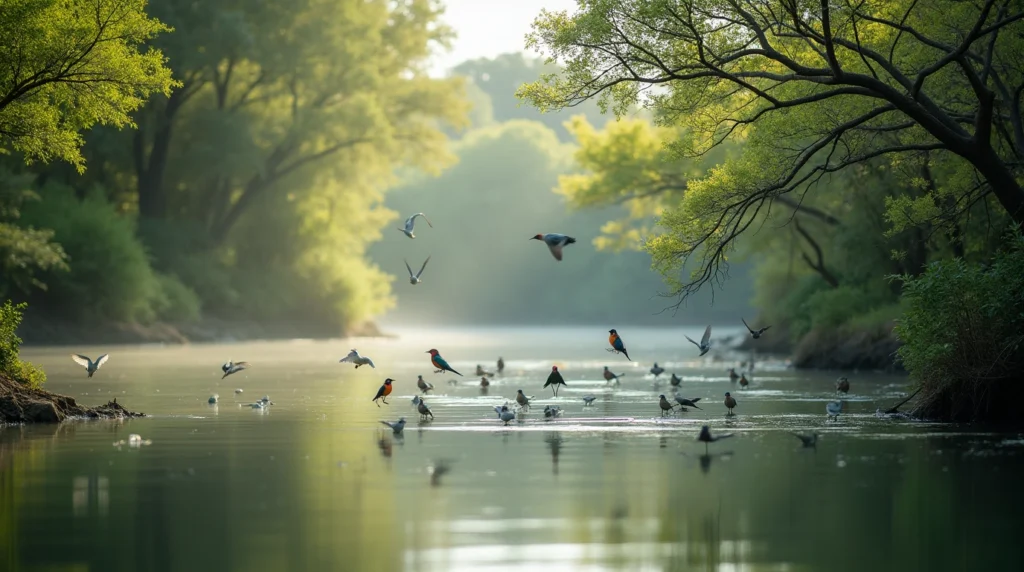
Feel the warm sand of Praia da Costa Terra beneath your feet as the Atlantic waves whisper ashore. Behold the endless blue horizon meeting lush, villa-dotted hills. This isn’t a dream; it’s reality. Explore inland: hidden lagoons for birding, fragrant pine trails await. Costa Terra unveils a new vista, a new delight at every turn, a masterpiece painted in nature’s finest colors.
The Costa Terra Portugal Lifestyle: A Blend of Luxury and Authenticity
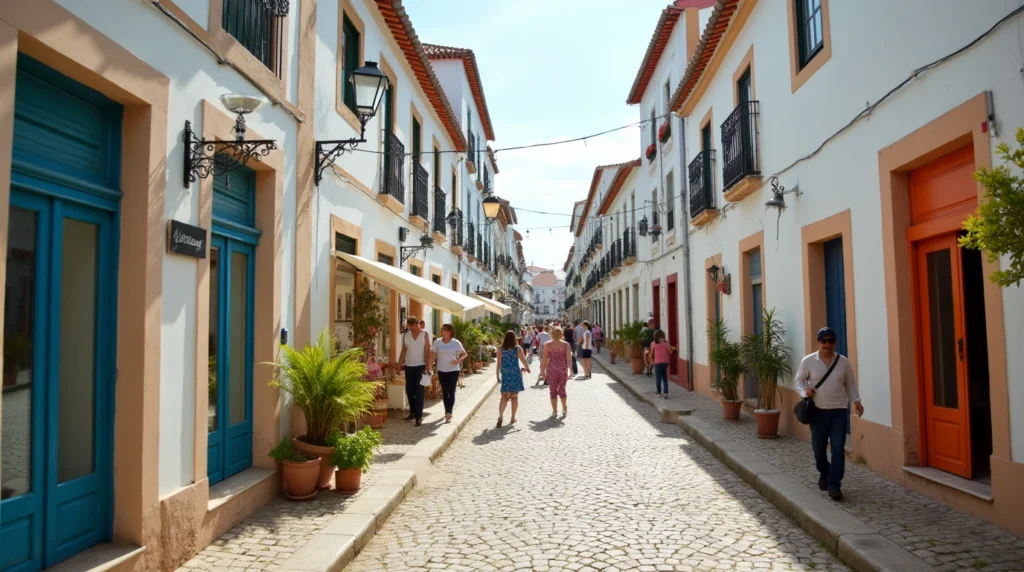
But Costa Terra is more than just pretty scenery; it’s a lifestyle. It’s about embracing a slower pace of life, savoring fresh, local cuisine, and connecting with the community. Yes, there are luxurious resorts and exclusive estates, but they are carefully integrated into the natural environment and designed to complement the region’s authentic charm. You won’t find towering skyscrapers or sprawling commercial centers here. Instead, you’ll discover quaint villages, family-run restaurants serving traditional Portuguese dishes, and a genuine sense of hospitality that is so characteristic of the Alentejo region. It’s like finding a diamond in the rough – a place where you can indulge in luxury without sacrificing authenticity.
Common Concerns and Considerations for Visitors and Investors
Okay, let’s address the elephant in the room. While Costa Terra is undoubtedly captivating, it’s crucial to be aware of the potential challenges and considerations before you dive in. Ignoring these aspects could lead to frustration and disappointment. My goal is to arm you with the knowledge you need to navigate these hurdles and ensure a positive experience.
The Myth of Exclusivity: Is Costa Terra Portugal Only for the Elite?
Many believe Costa Terra is only for the wealthy, but that’s a misconception. While luxury options exist, affordable guesthouses and hotels are available in nearby villages. Plus, beaches and hiking trails are free! Research your options, budget wisely, and don’t let exclusivity fears stop you. Like a high-end restaurant, there are affordable choices alongside the expensive ones. Everyone can experience Costa Terra’s beauty with a bit of planning.
Accessibility Challenges: Getting To and Around Costa Terra Portugal
Costa Terra’s remoteness, part of its charm, requires planning. Lisbon (LIS), the closest airport, is 1.5-2 hours away by car. Rentals are available, but public transport is limited. A car is essential for exploring, though roads can be narrow. If you dislike driving, consider a private driver or rideshare, but availability is limited. Like reaching a hidden waterfall, the journey can be challenging, but the destination is worth it.
Cost of Living/Visiting: Budgeting for Your Costa Terra Portugal Experience
Let’s talk about money. The cost of visiting or living in Costa Terra can vary greatly depending on your lifestyle and preferences. During peak season (July and August), prices for accommodations and activities tend to be higher. Eating out at upscale restaurants can also be expensive. However, if you’re willing to venture beyond the main tourist areas and explore local eateries, you can find delicious and affordable meals. Groceries are generally reasonably priced, especially if you shop at local markets. Keep in mind that some activities, such as golf and water sports, can be costly. Creating a budget and sticking to it is essential for a stress-free experience.
“Planning a trip to Costa Terra Portugal requires careful budgeting and an understanding of seasonal price fluctuations.”
Environmental Impact and Sustainability: A Responsible Approach
Finally, let’s address the important issue of environmental impact. As tourism to Costa Terra grows, it’s crucial to ensure that development is sustainable and that the region’s natural beauty is preserved for future generations. Overdevelopment, pollution, and water scarcity are potential threats. As a responsible traveler or investor, it’s important to support eco-friendly initiatives, conserve water and energy, and respect the local environment. Choose accommodations that prioritize sustainability, participate in responsible tourism activities, and be mindful of your impact on the local ecosystem. Think of it like tending a garden; if you take care of it, it will flourish for years to come.
Solutions and Strategies for a Seamless Costa Terra Portugal Experience
Now that we’ve explored some of the potential challenges, let’s focus on solutions! A little preparation can go a long way in ensuring a smooth and enjoyable experience in Costa Terra. Think of these as your secret weapons for navigating the region like a pro.
Planning Your Trip: Pro Tips for a Hassle-Free Vacation
Plan your Costa Terra trip! Don’t just book and hope. Research the best time – spring/fall offer good weather and fewer crowds. Book early, especially during peak season. Create an itinerary: activities, restaurants, transportation. Get a local SIM card. Learn basic Portuguese. Pack comfy shoes, swimwear, and sunscreen. Download offline maps. Be flexible and embrace spontaneity. Thorough preparation is like building a strong foundation for a smooth trip.
Investing in Costa Terra Portugal: Navigating the Real Estate Market
Investing in Costa Terra real estate? Exciting, but be cautious! Consult a local agent. Research neighborhoods and property types to fit your needs and budget. Get legal advice to ensure sound transactions. Know zoning regulations. Consider rental income, property taxes, insurance, and maintenance. Be patient; don’t rush. Real estate is a long-term commitment. Like planting a tree, it needs time and care to grow.
Embracing the Local Culture: Respectful Tourism and Integration
Costa Terra is more than a resort; it’s a community. Respect local culture and traditions. Learn about the region’s history. Support local businesses and artisans. Try speaking Portuguese. Dress modestly at religious sites. Be mindful of noise, avoid littering, and participate in local events. Engage with the community and show genuine interest. Embracing the culture enriches your experience and preserves Costa Terra’s identity. Be a gracious and respectful guest in their home.
A Rare Investment Opportunity in an Untouched Setting
Costa Terra is more than just a beautiful place to unwind—it’s also a hidden gem for those seeking unique real estate opportunities. Surrounded by unspoiled landscapes, the properties here blend luxury with discretion. Each residence is carefully designed to offer privacy, comfort, and peace, making it an ideal spot for anyone looking to invest in a high-end home far from busy tourist areas.
A Quiet Retreat Favored by Global Figures
Away from the spotlight, Costa Terra has quietly become a destination for well-known personalities who value tranquility and authenticity. What draws them here isn’t the flashy lifestyle—it’s the quiet charm, open space, and understated elegance of the region. This subtle presence of high-profile visitors adds to the area’s prestige without overwhelming its peaceful atmosphere.
Where Nature and Modern Living Go Hand in Hand
What truly sets Costa Terra apart is its commitment to harmonizing luxury living with environmental care. The architecture respects the natural surroundings, and development is kept intentionally low-impact. This thoughtful balance between modern comfort and ecological responsibility appeals to those who want to live in a place that values both beauty and sustainability.
A Lifestyle Built Around Wellness and Simplicity
Costa Terra Portugal offers more than scenic views—it promotes a relaxed and fulfilling way of life. From world-class golf and nature walks to local cuisine and spa treatments, everything is designed to help residents and guests slow down and enjoy the moment. Life here is centered on well-being, with experiences that nourish both body and mind.
A Vision Shaped by Sustainability
Rather than chasing rapid growth, Costa Terra Portugal is taking a mindful, future-focused approach. Sustainability is at the heart of its development, with an emphasis on protecting local ecosystems and supporting the regional economy. This vision attracts modern families, professionals, and conscious travelers who are looking for more than just a vacation spot—they’re looking for a lifestyle in tune with the world around them.
Sustainable Practices: Supporting Eco-Friendly Initiatives
Sustainability is key to the long-term health of Costa Terra Portugal. Support businesses that prioritize eco-friendly practices, such as using renewable energy, conserving water, and reducing waste. Choose accommodations that have been certified for sustainability. Participate in activities that promote environmental conservation, such as beach cleanups and tree planting. Be mindful of your consumption habits and reduce your environmental footprint. Avoid using single-use plastics. Support local farmers and producers who use sustainable agricultural practices. Educate yourself about the local ecosystem and the threats it faces. By adopting sustainable practices, you can help protect Costa Terra’s natural beauty for future generations. Think of it like being a steward of the land; you have a responsibility to care for it.

Beyond the Beaches: Exploring the Hidden Gems of the Region
While the beaches are undoubtedly a major draw, Costa Terra and its surrounding areas offer so much more to explore. Venture beyond the shoreline, and you’ll discover a wealth of hidden gems that will enrich your experience and provide a deeper understanding of the region’s character.
Comporta: The Chic Neighbor Worth Visiting
A short drive from Costa Terra, Comporta offers a laid-back, chic atmosphere. It’s more bohemian than Costa Terra’s luxury. Explore the rice paddies, ride horses on the beach, and browse trendy boutiques. Comporta’s restaurants boast fresh seafood and innovative cuisine. Don’t miss the sunset over the rice fields! Comporta reveals a different, stylish yet authentic side of the Alentejo. It’s like Costa Terra’s cool little sister.
“Comporta is a must-visit for those seeking a blend of bohemian charm and stylish sophistication.”
Melides: A Serene Escape for Nature Lovers
If you’re looking for a more secluded and tranquil escape, head to Melides. This sleepy village is surrounded by stunning natural landscapes, including pristine beaches, rolling hills, and a picturesque lagoon. Melides is a haven for nature lovers and birdwatchers. Explore the Melides Lagoon by kayak or paddleboard, or hike through the surrounding hills. Visit the nearby beaches of Praia de Melides and Praia da Aberta Nova, known for their unspoiled beauty. Melides offers a chance to reconnect with nature and escape the crowds. It’s a hidden sanctuary where you can breathe deeply and appreciate the simple things in life. Imagine it as a secret garden, waiting to be discovered.
Grândola: Unveiling the Authentic Portuguese Spirit
For a taste of authentic Portuguese culture, venture inland to Grândola. This historic town is known for its traditional architecture, its friendly locals, and its vibrant cultural scene. Explore the town’s historic center, visit the local market, and sample traditional Portuguese cuisine at one of the many family-run restaurants. Grândola is also known for its association with the Portuguese Revolution of 1974, as it was the town where the song “Grândola, Vila Morena,” a symbol of the revolution, was first broadcast. Grândola offers a glimpse into the heart and soul of Portugal. It’s like stepping back in time and experiencing the country’s rich history and traditions firsthand.
Costa Terra Portugal: A Future of Sustainable Luxury
The vision for Costa Terra extends far beyond its current state. It’s a vision rooted in sustainability, community integration, and a commitment to preserving the natural beauty that makes this region so special. Understanding this future is key to appreciating Costa Terra’s long-term value, both as a destination and as an investment.
The Vision for Costa Terra’s Continued Growth
The development of Costa Terra is carefully planned to ensure that it complements the surrounding environment and respects the local community. Future projects will focus on sustainable tourism, eco-friendly infrastructure, and community engagement. There are plans for expanding the range of activities and attractions available, while maintaining the region’s exclusive and tranquil atmosphere. This includes developing more hiking and biking trails, creating new opportunities for water sports, and promoting local arts and crafts. The goal is to create a destination that is both luxurious and sustainable, a place where visitors can enjoy the beauty of nature without compromising the environment. It’s akin to building a house that grows with its surroundings, becoming more beautiful and integrated over time.
Protecting the Environment: A Long-Term Commitment
Protecting the environment is central to Costa Terra’s vision. Developers use sustainable practices, minimizing waste and conserving resources. They protect beaches, forests, and lagoons by planting trees, restoring areas, and protecting species. Costa Terra works with communities to promote awareness and sustainable tourism. The goal: a replicable model for sustainable development. This commitment is genuine; preserving the environment is key to Costa Terra’s long-term success. It’s like tending a garden for future generations.
Conclusion: Your Invitation to Experience Costa Terra Portugal
Costa Terra Portugal is more than just a destination; it’s an invitation to experience a different way of life. It’s a place where you can reconnect with nature, indulge in luxury, and discover the authentic charm of Portugal. While there are challenges to consider, with careful planning and a responsible approach, you can create a seamless and unforgettable experience. Whether you’re seeking a relaxing vacation, a smart investment, or a deeper connection with nature and culture, Costa Terra has something to offer.
So, are you ready to answer the call? Are you ready to discover the magic of Costa Terra Portugal for yourself? Come, explore, and experience the beauty, the tranquility, and the authenticity of this extraordinary region. You might just find your own little slice of paradise.
“Costa Terra Portugal isn’t just a place to visit; it’s a place to experience, to connect, and to rediscover the simple joys of life.”