
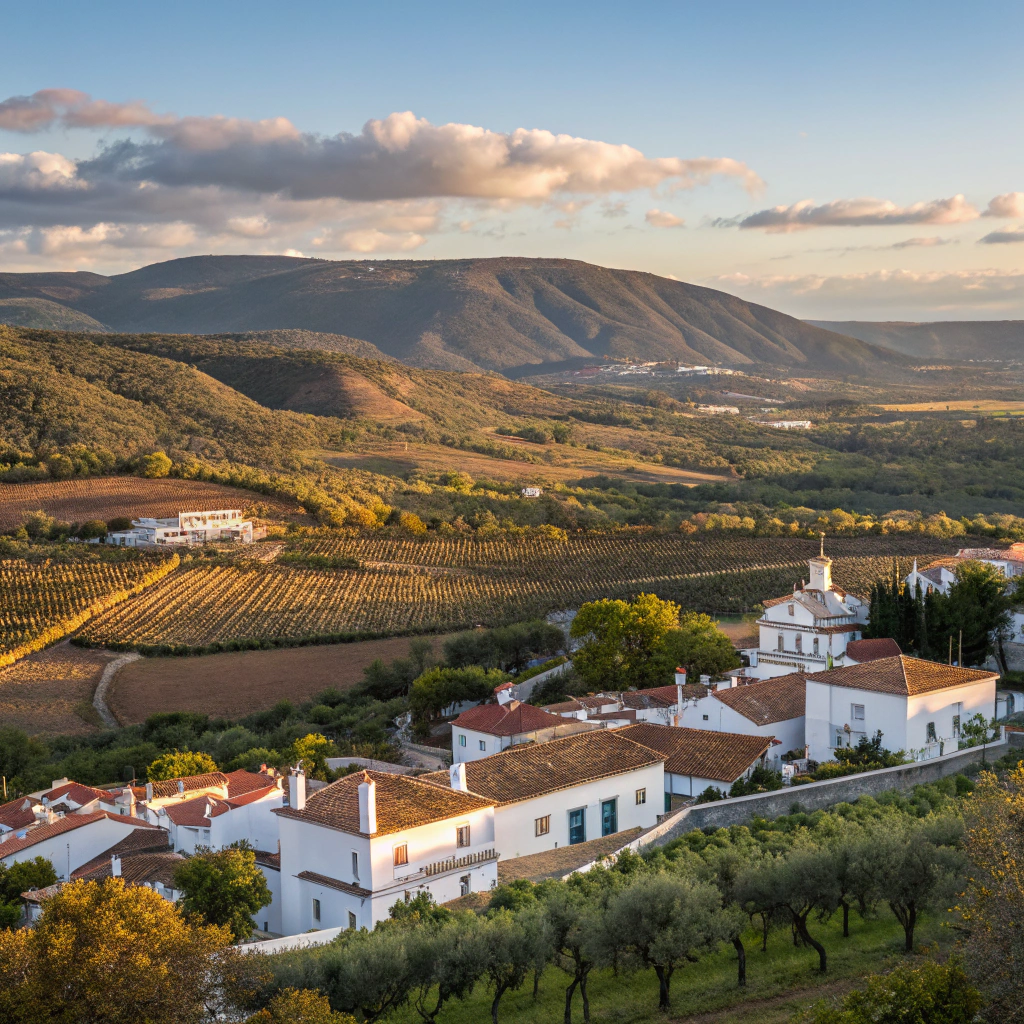
Nestled in the verdant foothills of the Arrábida Mountains, Azeitão shines as one of Portugal’s best-kept secrets, captivating visitors with its rich cultural heritage, gastronomic excellence, and breathtaking natural beauty. This picturesque region, located on the Setúbal Peninsula just south of Lisbon, offers an authentic Portuguese experience away from the well-trodden tourist paths. Whether you’re a wine enthusiast, a nature lover, a history buff, or a culinary adventurer, Azeitão Portugal presents a tapestry of experiences that will enchant and delight your senses.
Table of Contents
The Rich History and Cultural Heritage of Azeitão
From Roman Settlements to Portuguese Nobility
The story of Azeitão stretches back through the centuries, with evidence of human settlement dating to Roman times. However, it was during the 15th century that this region truly began to flourish. As Lisbon’s nobility sought refuge from the bustling capital, they established magnificent country estates and quintas throughout Azeitão, transforming it into a prestigious rural retreat.
“In Azeitão, the stones speak of history, the trees whisper tales of nobility, and the vineyards sing songs of tradition that have echoed through the valleys for centuries.” – Portuguese saying
The aristocratic influence remains evident today in the elegant architecture and carefully preserved estates that dot the landscape. Walking through Azeitão feels like stepping into a living museum where Portugal’s rich history unfolds before your eyes. The region’s development was also significantly influenced by various religious orders, particularly the Dominicans and Franciscans, who established monasteries and contributed to the area’s agricultural and cultural development.
The Etymology and Evolution of Azeitão
The name “Azeitão” itself offers insight into the region’s heritage. Derived from the Arabic word “az-zeitum” meaning “olive grove,” it highlights the historical importance of olive cultivation in the area. This linguistic heritage serves as a reminder of the Moorish presence that once shaped the Iberian Peninsula.
Over centuries, Azeitão evolved from a collection of agricultural settlements into a cohesive region celebrated for its craftsmanship and production excellence. While maintaining its rural character, the area developed distinct villages with unique characteristics but unified by shared traditions and natural surroundings.
Geographic Location and Natural Beauty
The Arrábida Natural Park: Azeitão’s Stunning Backdrop
One cannot discuss Azeitão without mentioning its magnificent natural setting within the Arrábida Natural Park. Established in 1976, this protected area encompasses approximately 17,000 hectares of diverse ecosystems, creating a spectacular backdrop for Azeitão’s villages and estates.
The Arrábida Mountains rise dramatically from the Atlantic coastline, with limestone peaks reaching heights of nearly 500 meters. This unique geography creates a microclimate that has influenced everything from Azeitão’s wine production to its native flora. Hiking trails throughout the park offer visitors breathtaking panoramic views that stretch from the Tagus River estuary to the Atlantic Ocean, with the Tróia Peninsula visible on clear days.
The park’s biodiversity is remarkable, hosting over 1,400 plant species, many of which are endemic to this Mediterranean-type ecosystem. Wildlife enthusiasts might spot European foxes, genets, badgers, and numerous bird species including Bonelli’s eagles and peregrine falcons. For nature lovers visiting Azeitão Portugal, the surrounding natural park provides endless opportunities for exploration and wonder.
Mediterranean Climate and Landscape
Azeitão enjoys a privileged Mediterranean climate characterized by mild, wet winters and warm, dry summers. This favorable climate, combined with fertile soils, has made the region ideal for agriculture, particularly viticulture and olive cultivation. The average annual temperature hovers around 17°C (63°F), rarely experiencing extremes that would damage the delicate balance of crops and native vegetation.
The landscape surrounding Azeitão presents a harmonious blend of human cultivation and natural beauty. Rolling hills covered with vineyards slope gently toward the mountains, while olive groves and cork oak forests create a verdant patchwork across the countryside. The region’s natural limestone caves, formed through centuries of water erosion, add another dimension to the geological fascination of the area.
Azeitão’s Gastronomic Treasures
World-Famous Azeitão Cheese: A Protected Delicacy
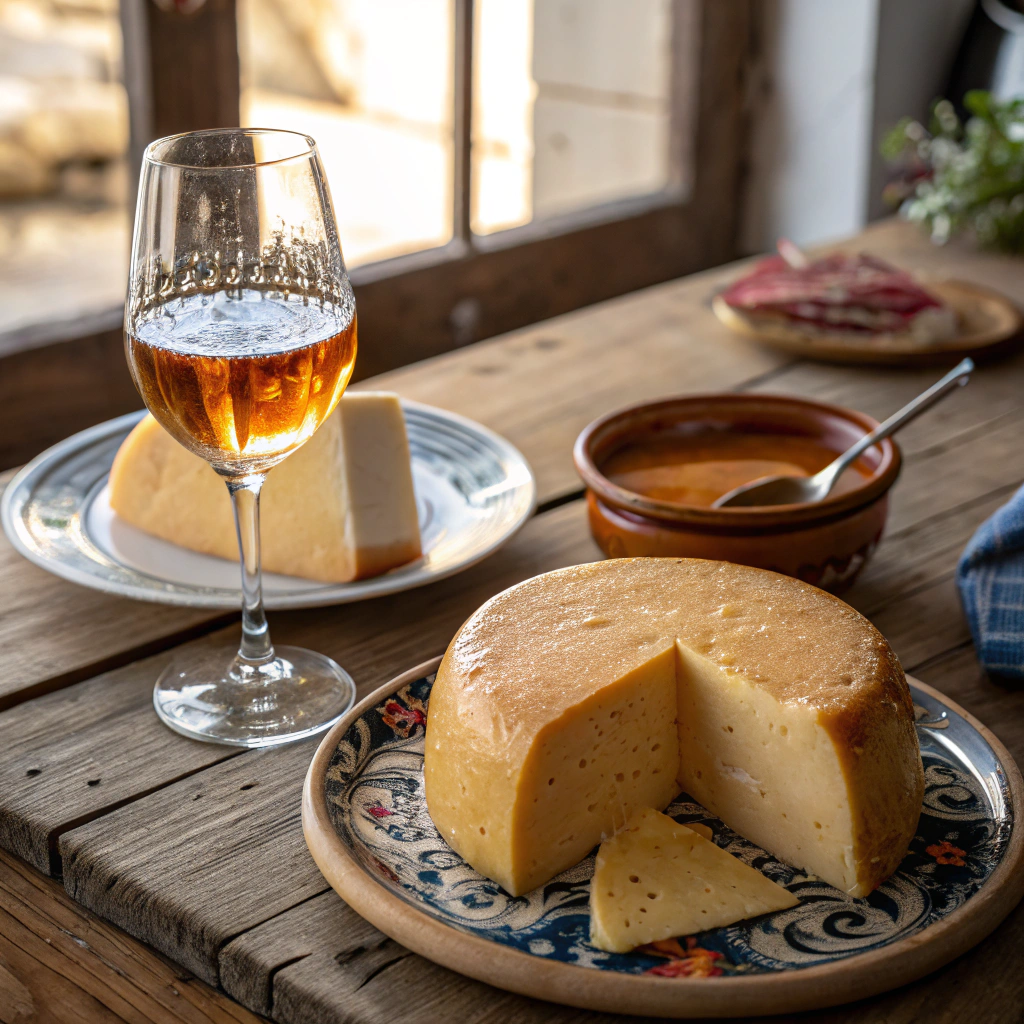
Perhaps nothing symbolizes Azeitão’s gastronomic excellence quite like its eponymous cheese. Queijo de Azeitão holds Protected Designation of Origin (PDO) status, recognizing its unique production methods and regional significance. This small, circular cheese is crafted from raw sheep’s milk and coagulated with cardoon thistle rather than traditional animal rennet, giving it a distinctive character and making it suitable for vegetarians.
What makes Azeitão cheese truly special is its creamy, almost buttery interior that can be enjoyed by cutting off the top and scooping out the contents with a spoon—a ritual that cheese lovers find irresistible. The flavor profile is complex, slightly salty with herbaceous notes that reflect the vegetation the sheep graze upon in the Arrábida hills.
Local Wines: The Tradition of Moscatel de Setúbal
The viticultural heritage of Azeitão represents one of the region’s most cherished traditions. The area’s winemaking excellence dates back centuries, with the star attraction being the internationally acclaimed Moscatel de Setúbal. This fortified wine, produced primarily from the Muscat of Alexandria grape, captivates with its amber color, aromatic intensity, and perfect balance between sweetness and acidity.
Driving through Azeitão Portugal, you’ll notice meticulously maintained vineyards stretching across the landscape, their orderly rows contrasting with the wild beauty of the Arrábida mountains beyond. The unique microclimate created by the mountains’ protection and the Atlantic influence creates ideal conditions for growing both white and red grape varieties.
“The Moscatel of Azeitão captures sunshine in a bottle—it is liquid gold that tells the story of our soil, our climate, and centuries of passionate winemaking tradition.” – Local winemaker
Several historic wineries in Azeitão open their doors to visitors, offering tasting experiences that connect tourists directly with Portugal’s winemaking heritage. Beyond Moscatel, the region produces excellent red wines from indigenous varieties like Castelão, as well as innovative blends that are gaining recognition in international markets.
Culinary Specialties and Traditional Recipes
Azeitão’s gastronomy extends far beyond its famous cheese and wines. The region boasts a rich culinary tradition that combines fresh local ingredients with time-honored preparation methods. Seafood features prominently on local menus, reflecting the proximity to the Atlantic coast. Dishes like arroz de marisco (seafood rice) and caldeirada (fish stew) showcase the bounty of Portugal’s waters.
The area’s pastry tradition deserves special mention, particularly the Tortas de Azeitão. These delicate roll cakes filled with egg cream represent the perfect sweet complement to a glass of Moscatel. Their preparation remains largely unchanged for generations, with families passing down closely guarded recipes.
Olive oil production, as suggested by the region’s name, continues to play an important role in local cuisine. The high-quality extra virgin olive oils produced in Azeitão enhance everything from simple grilled fish to elaborate stews. Traditional dishes often incorporate regional products like pine nuts from the surrounding forests and aromatic herbs that grow wild throughout the Arrábida hills.
Must-Visit Attractions in Azeitão
Historic Quintas and Estates
The aristocratic legacy of Azeitão lives on in its magnificent quintas (estates). These properties combine architectural splendor with agricultural productivity, many continuing centuries-old traditions of wine and olive oil production.
Quinta da Bacalhôa stands as one of Portugal’s most beautiful estates, featuring a 15th-century palace adorned with exquisite azulejos (traditional Portuguese tiles). Its Renaissance gardens, ornamental lake, and extensive art collection make it a cultural treasure. The estate produces acclaimed wines and offers guided tours that provide insight into both historical and contemporary aspects of Portuguese viticulture.
Another notable property, Quinta das Torres, exemplifies Portuguese Mannerist architecture with its impressive façade and formal gardens. Originally built in the 16th century, the estate captures the essence of Azeitão’s golden age when nobility created country retreats that balanced luxury with agricultural productivity.
José Maria da Fonseca Winery: A Journey Through Time
No visit to Azeitão would be complete without exploring the José Maria da Fonseca winery, Portugal’s oldest table wine company still in operation. Founded in 1834, this family-owned enterprise has played a pivotal role in developing Portuguese winemaking techniques and promoting the country’s wines internationally.
The winery’s museum houses fascinating artifacts, including 19th-century winemaking equipment and the founder’s original tasting room preserved exactly as it was during his lifetime. Tours conclude with guided tastings of their most representative wines, including their world-famous Moscatel de Setúbal, aged in century-old barrels that impart incomparable complexity.
Exploring Azeitão’s Charming Villages
Vila Nogueira de Azeitão: The Heart of the Region
Vila Nogueira serves as the cultural and commercial center of Azeitão Portugal. Its charming main square, Praça da República, invites visitors to pause at outdoor cafés while admiring the Baroque fountain and 16th-century pillory. The Church of São Lourenço, with its magnificent gilded altarpiece and 17th-century azulejos depicting the saint’s life, represents a masterpiece of Portuguese religious art.
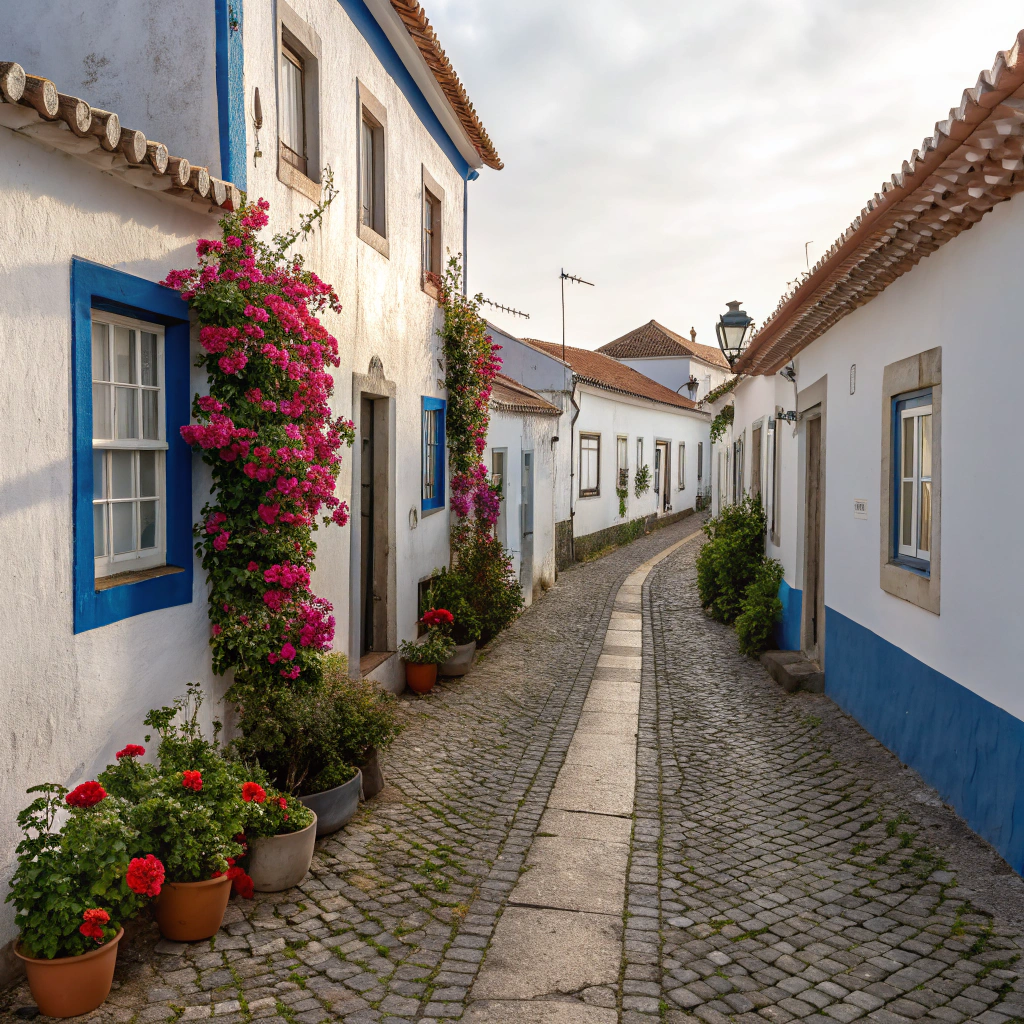
The village maintains a traditional rhythm of life, with markets selling local produce and artisanal products. Wandering through its streets reveals surprising architectural details—doorways adorned with ornate stonework, hidden courtyards blooming with bougainvillea, and occasional glimpses into traditional workshops where craftspeople continue centuries-old traditions.
“In Vila Nogueira, time slows down. The church bells mark the hours as they have for centuries, and conversations in the square flow as smoothly as the local wine. This is Portugal at its most authentic.” – Travel writer
Vila Fresca de Azeitão: Traditional Architecture and Ambiance
Just a short distance from Vila Nogueira lies the equally captivating settlement of Vila Fresca. This smaller village offers a more intimate glimpse into rural Portuguese life, with traditional whitewashed houses trimmed in the distinctive blue or yellow borders characteristic of the region.
The village takes particular pride in its traditional tile production, with several workshops continuing to create azulejos using methods passed down through generations. Visitors can observe the painstaking process of hand-painting these ceramic treasures and even participate in workshops to create their own.
Vila Fresca’s central plaza hosts seasonal festivals that bring together locals and visitors in celebration of agricultural milestones and religious observances. These events provide authentic cultural immersion opportunities, featuring traditional music, dance, and cuisine that remain largely unchanged for centuries.
Practical Travel Tips for Visiting Azeitão
Getting There and Getting Around
Reaching Azeitão Portugal requires some planning, as the region is not directly served by major transportation hubs. Most visitors arrive via Lisbon, approximately 40 kilometers north. From Lisbon’s airport or city center, rental cars provide the most flexible option for exploring Azeitão and its surroundings. The drive takes approximately 30-45 minutes, crossing the impressive 25 de Abril Bridge over the Tagus River.
Public transportation options exist but are somewhat limited. Buses connect Lisbon to Setúbal, from where local services run to Azeitão’s villages. However, schedules may be infrequent, particularly on weekends and holidays. Taxi services and ridesharing apps operate in the area but should be arranged in advance, especially for returns from remote locations.
Once in Azeitão, having your own transportation proves invaluable. The distances between attractions can be significant, and many quintas and natural areas lie beyond walking distance from village centers. Bicycles offer an excellent alternative during good weather, with rental services available in Vila Nogueira and increasingly popular electric bikes making the hilly terrain more manageable.
Best Times to Visit and Seasonal Events
Azeitão welcomes visitors year-round, each season offering distinct experiences. Spring (April-June) presents perhaps the most magical time, with moderate temperatures, wildflowers carpeting the Arrábida hills, and fewer tourists than summer months. Autumn (September-November) brings the excitement of harvest season, when wineries buzz with activity and seasonal festivals celebrate the year’s production.
Summer offers reliable sunshine and the longest days for exploration, though July and August can become quite hot, with temperatures occasionally exceeding 30°C (86°F). Winter brings milder conditions than much of Europe, with daytime temperatures typically ranging from 10-15°C (50-59°F), making off-season visits entirely feasible for those seeking tranquility.
The region’s festival calendar provides excellent opportunities to experience local culture. The Feast of São Lourenço in August transforms Vila Nogueira with processions, music, and gastronomic celebrations. September’s wine festivals coincide with harvest, while spring features flower festivals that showcase the region’s botanical diversity.
Common Challenges When Visiting Azeitão and How to Overcome Them
Language Barriers and Communication Tips
While Azeitão’s authentic character is part of its charm, visitors may encounter language barriers, especially in smaller establishments and rural areas. Portugal’s tourism industry is well-developed, but Azeitão remains somewhat off the beaten path, meaning English proficiency varies significantly throughout the region.
In wineries, major attractions, and upscale restaurants, you’ll typically find English-speaking staff. However, in local cafés, family-run shops, and markets, Portuguese remains the primary language. Learning a few basic phrases can significantly enhance your experience and demonstrate respect for the local culture.
Simple greetings like “Bom dia” (Good morning), “Boa tarde” (Good afternoon), and “Obrigado/Obrigada” (Thank you – masculine/feminine forms) open doors and warm conversations. Consider downloading a translation app that works offline, as mobile coverage can be spotty in more remote areas of the Arrábida hills.
Many restaurants may not have English menus available, particularly the most authentic establishments serving traditional cuisine. Rather than avoiding these gems, embrace the adventure by asking for recommendations (“Pode recomendar?”) or photographing unfamiliar dishes at neighboring tables that look appealing.
Limited Public Transportation Options
The rural character of Azeitão presents challenges for travelers relying on public transportation. Bus services connecting villages exist but run on limited schedules that may not align with typical sightseeing plans. Weekend and holiday services are particularly restricted, sometimes with no options available.
To overcome this challenge, consider these strategies:
- Rent a car for maximum flexibility, especially if planning to explore multiple villages and natural areas
- Pre-book taxi services for specific journeys, particularly for winery visits where sampling makes driving inappropriate
- Consider staying in centrally located accommodations within walking distance of at least some attractions
- Explore bicycle rental options, increasingly available with electric models that make the hilly terrain accessible to more riders
- Group your sightseeing geographically to minimize transportation needs
Some accommodations offer shuttle services to popular attractions or transportation hubs—inquire when booking. Additionally, several tour companies operate in the region, offering day trips from Lisbon that solve transportation issues while providing expert commentary.
Accommodations and Staying in Azeitão
From Luxury Estates to Charming Guesthouses
Azeitão offers diverse accommodation options, though in smaller numbers than more established tourist destinations. This limited inventory makes advance booking essential, particularly during summer months and festival periods.
At the luxury end of the spectrum, several historic quintas have been transformed into boutique hotels that combine period elegance with modern comforts. These properties typically feature expansive gardens, swimming pools, and exceptional restaurants showcasing local cuisine. Quinta de Catralvos and Casa de Calhariz exemplify this category, offering guests an immersive experience in properties once owned by Portuguese nobility.
“Staying in a renovated quinta connects you to centuries of Azeitão history—sleeping where aristocrats once slept, waking to the same mountain views that inspired generations, and walking gardens planted by hands long gone but not forgotten.” – Travel journalist
For mid-range budgets, several excellent guesthouses (casas de hóspedes) and bed-and-breakfasts operate throughout the region. These smaller establishments often provide more personal service and local insight than larger properties. Many are family-operated, housed in traditional buildings that have been carefully updated while preserving architectural details and historical character.
Self-catering options have expanded in recent years, with renovated village houses and rural cottages available through various booking platforms. These accommodations appeal particularly to families and longer-stay visitors who appreciate kitchen facilities and additional space. Many feature private gardens or terraces where guests can enjoy meals featuring local products purchased from markets and specialty shops.
Budget travelers have fewer options but might consider the region’s campsites, particularly those within the Arrábida Natural Park. These facilities offer an economical base for nature lovers, though access to a vehicle remains important for reaching attractions beyond hiking distance.
Day Trips from Azeitão: Expanding Your Portuguese Adventure
Setúbal, Sesimbra, and the Coastline
Azeitão’s strategic location makes it an excellent base for exploring the broader Setúbal Peninsula. The city of Setúbal itself lies just 10 kilometers south, offering an engaging mix of working port, historic center, and outstanding seafood restaurants. Its bustling morning market ranks among Portugal’s best, with an extraordinary variety of fresh fish and seafood reflecting the city’s maritime heritage.
The coastal town of Sesimbra, approximately 15 kilometers west of Azeitão, presents a different but equally compelling atmosphere. Its sheltered bay hosts one of the region’s most beautiful beaches, while the town’s seafood restaurants serve catches brought directly from boats visible from their terraces. The imposing medieval castle crowning the hills above town provides spectacular coastal views well worth the climb.
Some of Europe’s most dramatic coastline lies within easy reach of Azeitão. The beaches within Arrábida Natural Park—particularly Galapinhos, named Europe’s most beautiful beach in 2017—feature startlingly clear waters and white sands framed by vertiginous limestone cliffs. Access requires some effort, either via seasonal shuttle buses or moderate hiking, which helps preserve their unspoiled character.
Lisbon: The Capital Within Reach
Portugal’s captivating capital lies just 40 kilometers north of Azeitão, making day trips entirely feasible. While Lisbon deserves extensive exploration in its own right, visitors based in Azeitão can sample its highlights while returning to rural tranquility each evening.
The historic neighborhoods of Alfama and Baixa showcase Lisbon’s multi-layered history, from Moorish influences to the grand reconstruction following the devastating 1755 earthquake. Cultural attractions abound, with the National Tile Museum and Gulbenkian Museum offering exceptional collections in manageable sizes for day visitors.
Lisbon’s distinctive yellow trams, particularly the famous #28 route, provide both practical transportation and quintessential photo opportunities as they navigate impossibly narrow streets. The riverside district of Belém, with its magnificent monastery and famous custard tarts (pastéis de Belém), makes an excellent focused excursion when time is limited.
Those interested in contemporary Portugal should explore the revitalized waterfront areas and the trendy LX Factory complex, housed in a repurposed industrial site. These areas showcase the vibrant creative energy that has made Lisbon an increasingly popular destination for digital nomads and artists.
Preserving Azeitão: Sustainability and Future Challenges
As Azeitão gains recognition among discerning travelers, the region faces the universal challenge of balancing tourism development with preservation of the characteristics that make it special. Local communities, businesses, and authorities increasingly emphasize sustainable approaches that protect both cultural heritage and natural environments.
Many of Azeitão’s wineries have adopted organic or biodynamic practices, recognizing that the distinctive terroir producing their celebrated wines depends on healthy soils and ecosystems. Visitors can support these initiatives by prioritizing producers committed to environmental stewardship.
Climate change presents particular challenges for a region whose identity is inextricably linked to agriculture. Changing rainfall patterns and temperature increases threaten traditional growing patterns for olives, grapes, and other crops. Research initiatives at regional universities work closely with producers to develop adaptation strategies while preserving traditional methods where possible.
Water conservation has become increasingly important throughout Portugal, and Azeitão is no exception. Visitors can contribute by respecting measures implemented at accommodations and attractions, from reduced towel washing to water-saving landscaping featuring native, drought-resistant plants.
Transportation remains both a practical challenge for visitors and an environmental concern. The limited public transportation infrastructure means most tourists rely on private vehicles, generating carbon emissions and parking pressures in historic villages with narrow streets. Electric vehicle charging stations are appearing throughout the region, however, and bicycle infrastructure continues to improve.