

Have you ever stood on the banks of the Tagus River, stared across the shimmering water, and wondered what life looks like on the other side? Most travelers rushing through Lisbon never ask that question. They stay on the northern bank, tick off the famous monuments, eat their pastel de nata, and head home.
Table of Contents
But Seixal, the quiet, sun-drenched municipality tucked into the southern shore of the Tagus estuary, has been waiting patiently for the curious ones. The ones who slow down, look closer, and discover something real. Seixal in Portugal is one of those rare destinations where authenticity hasn’t been packaged, polished, or sold. It’s still breathing on its own terms, and that is precisely why it deserves a spot on your Portuguese itinerary.
Why Visit Seixal
There’s something about arriving in Seixal that immediately feels different. The pace shifts. The noise drops. The air smells faintly of salt and pine resin, and the whole place seems to exhale in a way that Lisbon, glorious and chaotic as it is, simply cannot manage.
Seixal sits within the Setúbal District, part of the greater Área Metropolitana de Lisboa, but it carries none of the metropolitan urgency you’d expect. This is a town shaped by the River Tagus, by centuries of working-class pride, and by an extraordinary natural setting that includes the Seixal Bay, a stunning inlet of the estuary surrounded by marshland, tidal mills, and sleepy fishing communities.
The history here runs surprisingly deep. Seixal was once known for its tidal mills, a remarkable feat of engineering that harnessed the tidal movement of the estuary to grind grain. Several of these mills have survived and been beautifully preserved, offering a rare window into medieval Portuguese ingenuity. Walk alongside one and you feel time folding over itself.
The culture is equally layered. Seixal has a strong working-class identity rooted in shipbuilding, metalwork, and fishing. This isn’t a town that reinvented itself for tourists. Local festivals, particularly those in summer, celebrate traditional music, folklore, and food with genuine community warmth. You don’t watch these events from the outside. You get pulled in.
Then there’s the natural beauty. The Seixal Bay is one of the most underappreciated estuarine landscapes in all of Portugal. Its calm waters reflect the light differently at every hour of the day. At sunrise, the surface turns amber and gold. By mid-morning, it goes deep blue. At sunset, you’d be forgiven for standing completely still for twenty minutes, phone forgotten in your pocket.
For travelers who’ve already explored the obvious corners of Portugal and are hungry for something less rehearsed, Seixal is a genuinely rewarding answer.
Best Things to Do in Seixal

The richness of things to do in Seixal surprises most first-time visitors. It’s not a place that announces itself loudly, but once you start exploring, the layers just keep revealing themselves.
Visit the Tidal Mills of Corroios
The Tide Mill of Corroios is possibly the most striking historical site in the entire municipality, and it’s remarkably well preserved. This 12th-century mill used the rhythmic movement of the tides to power its grinding mechanism, a concept so ahead of its time that it feels almost futuristic when you think about it now. The building itself is modest and low-lying, half-submerged in the bay’s edge, surrounded by reeds and calm water. Inside, you can see the original millstones, wooden mechanisms, and interpretation panels that bring the whole story to life. It operates as a museum now, and the staff are genuinely passionate about what they share.
Go early in the morning if you can. The light across the bay at that hour is extraordinary, and the mist that sometimes hangs over the water gives the whole scene a dreamlike quality.
Explore the Seixal Bay by Kayak
Renting a kayak and paddling through the Seixal Bay is one of those experiences that burns itself into memory. The bay is calm, relatively sheltered, and flanked by marshland rich with birdlife. Grey herons stand perfectly still in the shallows. Flamingos, yes, actual flamingos, can sometimes be spotted at the bay’s edges during certain seasons. The stillness of the water, the sound of your paddle dipping in and out, and the distant profile of Lisbon across the river create an experience that feels almost meditative.
Several local operators offer guided kayak tours, and some even combine paddling with stops at the tidal mills. It’s the kind of activity that appeals to solo travelers, couples, and families alike.
Wander Around the Historic Centre of Seixal Town
The old town centre is compact but charming, with traditional azulejo-tiled buildings, a friendly central square, and the Igreja Matriz de Seixal, the parish church that anchors the town both physically and culturally. The church dates back to the 16th century and has been rebuilt and expanded over time, but its whitewashed façade and simple interior retain a genuine sense of devotion and local pride.
The streets around it are perfect for a slow, unhurried walk. Stop in a local café for a bica and a piece of queijada. Listen to the rhythm of daily life playing out around you.
Discover the Ecomuseu Municipal do Seixal
This is not your average museum. The Ecomuseu Municipal do Seixal is a distributed network of heritage sites across the municipality, linked together by a shared mission to document and celebrate the history and culture of this specific place. It encompasses the tidal mills, a traditional fishing craft centre, the old gunpowder factory ruins, and an archaeological collection. What makes it special is that the exhibits don’t feel artificially staged. They feel like genuine fragments of a living community’s memory.
For anyone with even a passing interest in history, ecology, or Portuguese maritime culture, this is genuinely one of the best things to do in Seixal.
Walk the Riverfront Promenade
The riverside walkway that runs along the bay in Seixal is one of the most pleasant strolls in the entire region south of the Tagus. It’s flat, well-maintained, and lined with benches and viewpoints that look directly across the water toward Lisbon. On a clear day, you can see the Ponte 25 de Abril suspension bridge hanging in the haze like something from a dream. Locals use the promenade for morning jogs, evening walks, and weekend picnics. Join them. There’s something quietly joyful about moving at the rhythm of a community rather than against it.
Local Food and Specialties
Portuguese food in Seixal doesn’t perform for the camera. It just tastes extraordinary, and that’s enough.
Being a coastal municipality with deep fishing roots, seafood is the heart of the local food scene. Fresh fish grilled simply over charcoal, dressed with olive oil and a squeeze of lemon, is the kind of dish that doesn’t need improving. Carapau (horse mackerel) is particularly beloved in this part of the country, and you’ll find it served whole, grilled, and beautifully unfussy in local tascas.
Bacalhau, Portugal’s beloved salt cod, appears in a dozen different forms across local menus. Look out for bacalhau à brás, a creamy, scrambled mixture of shredded cod, potatoes, eggs, and olives that is simultaneously comforting and complex. Then there’s bacalhau com natas, baked in cream, which is richer and more indulgent, perfect for cooler evenings.
The local markets are worth seeking out for their produce. The Mercado Municipal de Seixal carries fresh vegetables, fruit, cheeses, and cured meats that reflect the agricultural abundance of the Setúbal Peninsula. Picking up a few things and assembling a simple picnic by the bay is one of the most genuinely enjoyable things you can do here.
For something sweet, look for queijadas de Seixal, small cheese tarts made with local ingredients, or travesseiros, puff pastry pillows filled with almond cream. Wash everything down with a glass of Moscatel de Setúbal, the aromatic fortified wine produced just a short distance away that perfectly complements the saltiness of the sea air.
Local wine is taken seriously here. The Setúbal Peninsula produces excellent red wines from Castelão grapes, robust and earthy with a warmth that suits the landscape. Many restaurants stock bottles from nearby estates, and prices remain refreshingly reasonable compared to Lisbon just across the water.
Best Time to Visit Seixal
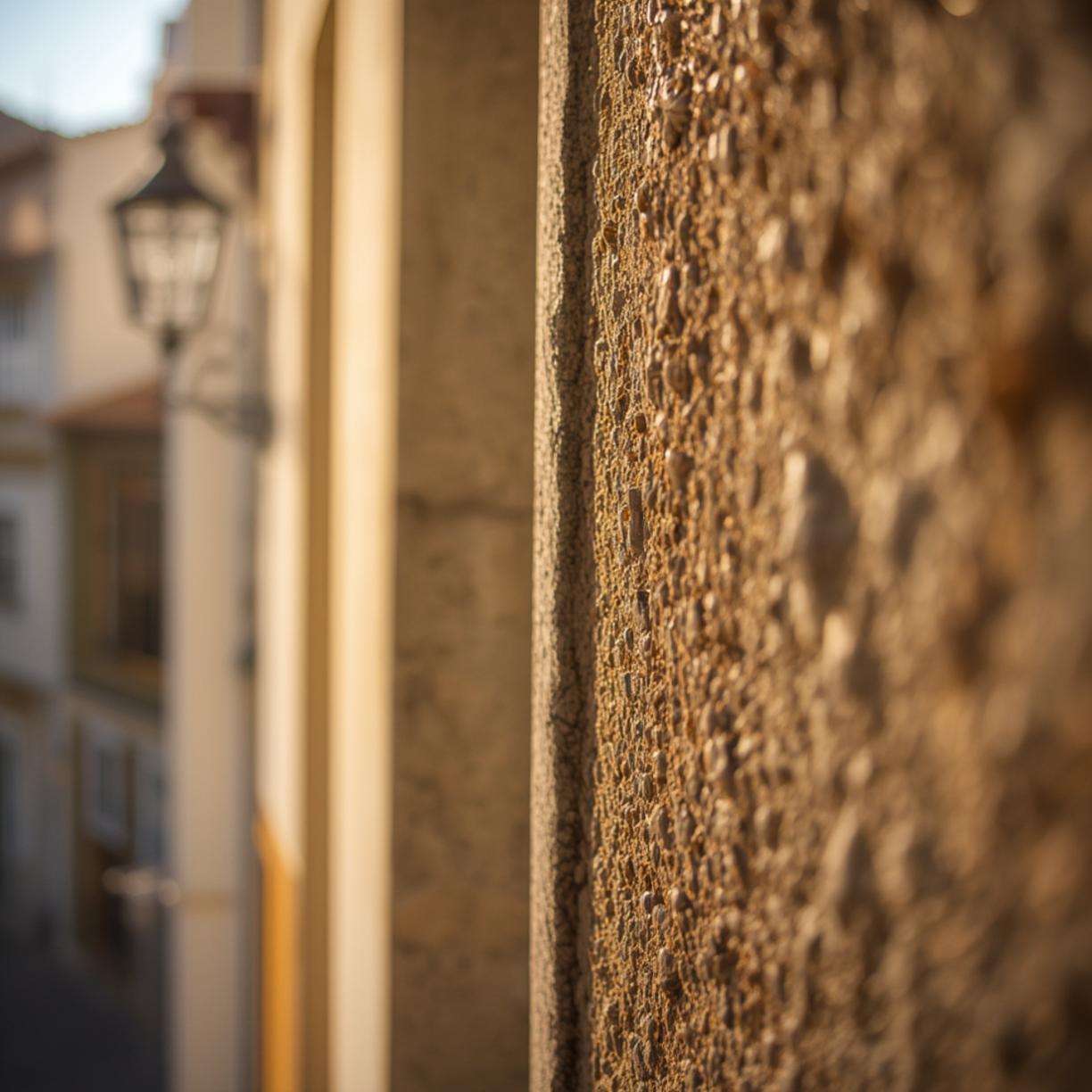
Seixal rewards visitors across most of the year, but each season brings something distinctly different.
Spring: The Sweet Spot
March through May is arguably the finest time to visit. The temperatures are mild, ranging from around 15 to 22 degrees Celsius, the countryside around the bay turns intensely green, and wildflowers bloom along the riverfront paths. Crowds are minimal, prices are lower, and the quality of light for photography is absolutely stunning. The long, golden afternoons feel like a gift.
Spring also coincides with some of the smaller local festivals, particularly around Easter, when traditional processions and community celebrations bring the streets to life in an entirely unselfconscious way.
Summer: Warm, Lively, and Long
June through August brings heat, sometimes intense heat, with temperatures frequently reaching 30 degrees or above. Seixal becomes more animated during these months. Families from Lisbon and the surrounding municipalities use the bay for recreation, the cafés stay open late, and the summer festivals inject a festive energy into the evenings.
If you visit in summer, go out early in the morning, retreat during the heat of midday, and re-emerge in the late afternoon when the light softens and the bay takes on that extraordinary golden quality that makes every photograph look effortless.
Autumn: Quiet Gold
September and October are deeply underrated. The summer crowds thin out almost overnight, but the warmth lingers pleasantly into October. The estuary light in autumn has a particular richness, amber and low and full of texture. Migratory birds begin appearing along the bay, and the whole landscape shifts into a quieter, more contemplative register.
Winter: Unexpectedly Beautiful
November through February is the rainy season, and yes, it can be grey and cold. But winter Seixal has its own moody charm. The tidal mill museums are quieter. The cafés feel warmer and more intimate. And the dramatic skies over the bay produce some genuinely spectacular storm-light photography opportunities.
How to Get There
Getting to Seixal from Lisbon is genuinely easy, and the journey itself is part of the pleasure.
By Ferry
The most magical way to arrive is by ferry from Cais do Sodré in Lisbon. The Transtejo ferries run regularly throughout the day, and the crossing to Seixal takes approximately 30 minutes. Sitting on the deck as the boat moves across the wide Tagus, watching Lisbon’s rooftops shrink behind you and the marshland of Seixal’s bay emerging ahead, is an experience in itself. Buy your ticket at the terminal or use the Viva Viagem card. Prices are very affordable.
By Car
If you’re driving from Lisbon, take the A2 motorway south across the Ponte 25 de Abril, then follow the signs toward Seixal. The drive takes approximately 25 to 35 minutes depending on traffic. Parking in Seixal town is generally straightforward and often free.
From Setúbal, Seixal is about 35 kilometres north, accessible via the A2 or the more scenic IC21 route.
By Train and Bus
You can take the Fertagus train from Entrecampos or Roma-Areeiro in Lisbon across the Ponte 25 de Abril to stations on the south bank, then connect by local bus services toward Seixal. It requires a transfer but is perfectly manageable, especially for travelers who enjoy navigating public transport.
Travel Tips and Local Advice
Start your day early. Seixal is at its most beautiful between 7 and 10 in the morning, when the light is low, the locals are heading to work or walking dogs, and the bay is still and luminous. This is also the best time to visit the tidal mills before any tour groups arrive.
Carry cash. While most restaurants and shops accept cards, smaller tascas and market stalls often prefer cash, and you don’t want to miss a perfectly grilled carapau because you only had your Visa.
Learn a few words of Portuguese. Seixal is not a tourist town in the conventional sense. People appreciate genuine effort, and even a fumbled “obrigado” or “boa tarde” will get you a warmer reception than you might expect.
Allow for flexibility. Some of the best moments in Seixal happen by accident. A conversation with a retired fisherman on the promenade. A local woman insisting you try her homemade queijada. A spontaneous detour down an unmarked path that leads to a perfect viewpoint. These things can’t be scheduled, but they happen when you’re not rushing.
Budget-wise, Seixal is extremely affordable. A meal at a local tasca for two with wine rarely exceeds 25 euros. Ferry tickets are just a few euros each way. Accommodation options are limited within the municipality itself, but staying in nearby Almada or Barreiro and day-tripping to Seixal is very practical.
Hidden Gems and Photo Spots

Not every great spot in Seixal appears on Google Maps, and that’s a feature, not a bug.
The Ruins of the Pólvora Factory
The abandoned gunpowder factory on the edge of the bay is one of the most hauntingly atmospheric spots in the entire municipality. The crumbling brick buildings are slowly being reclaimed by vegetation, and the silence there has a particular weight to it. Photography enthusiasts will find it endlessly rewarding. The juxtaposition of industrial decay against the soft blue of the estuary is genuinely striking.
Check local regulations before visiting and respect any access restrictions. The area is part of the Ecomuseu network and is sometimes accessible through organised visits.
The Quiet Village of Arrentela
A few kilometres from the main town, the small village of Arrentela sits right at the edge of the bay with a lovely church, traditional houses, and a waterfront that feels entirely unchanged by time. Locals fish from the small pier in the afternoons. The light here at golden hour is exceptional, particularly with the old church reflected in the still water of the inlet.
The Moinho de Maré do Cais do Guarda
Less visited than the main Corroios mill, this secondary tidal mill ruin sits along the bay’s edge and is accessible on foot via the riverfront path. It’s partially collapsed, covered in moss, and utterly beautiful in its abandonment. It’s the kind of place that rewards silence and slow observation.
The Pine Forest Trails
The municipality’s interior is dotted with small pine forests that see almost no visitors. Following the unpaved trails through these woods, especially in spring when the air is heavy with resin and birdsong, is a deeply restorative experience. Download an offline trail map before you go, as mobile signal can be patchy.
Common Mistakes to Avoid
One of the most common errors visitors make is treating Seixal as a quick afternoon side trip from Lisbon. While you can see the highlights in a day, rushing through it means missing the textures and rhythms that make it special. Give it a full day at minimum, ideally an early start with a long, leisurely afternoon.
Don’t skip the ferry. Driving over the bridge is efficient but emotionally flat. The ferry crossing gives you a completely different relationship with the geography of the Tagus, and it frames your arrival in Seixal in a way that sets the right tone.
Avoid visiting on Mondays if you plan to explore the Ecomuseu sites. Many museums in Portugal are closed on Mondays, and Seixal is no exception.
Don’t rely entirely on restaurant review apps. Some of the best food in Seixal exists in small, unremarkable-looking tascas that have no online presence whatsoever. Follow your nose, look for the place that’s full of locals, and sit down without overthinking it.
Finally, don’t underestimate the heat in summer. The open bay reflects sunlight with intensity. Carry water, wear sunscreen, and embrace the Portuguese habit of resting between 1 and 4 in the afternoon.
Perfect One-Day Itinerary for Seixal
Morning, 8:00 to 10:30: Take the early ferry from Cais do Sodré in Lisbon. Arrive in Seixal and walk directly to the Tide Mill of Corroios before the day heats up. Spend a good 45 minutes exploring. Then continue along the bay’s edge, breathing in the morning salt air.
Late Morning, 10:30 to 13:00: Head into the historic town centre. Visit the Igreja Matriz de Seixal, browse the Mercado Municipal, and pick up some local produce for a later picnic. Stop for a coffee and a pastry at one of the small cafés in the main square.
Lunch, 13:00 to 14:30: Sit down at a local tasca and order grilled fish with potatoes and salad. Take your time. Order a glass of local wine. This is not a lunch to hurry.
Afternoon, 14:30 to 17:00: Walk the full length of the riverfront promenade. If you’ve arranged it in advance, this is a good time for a kayak tour of the bay. Alternatively, explore the quiet village of Arrentela on foot and find a good spot for photographs.
Late Afternoon, 17:00 to 18:30: Visit the Ecomuseu’s fishing craft exhibition or simply settle on a bench along the bay and watch the light change over the water as the afternoon fades.
Evening, 18:30: Take the ferry back to Lisbon with the sun dropping behind the city as you approach. It is, without question, one of the finest views in Portugal.
Conclusion
Seixal in Portugal doesn’t chase your attention. It doesn’t need to. It simply exists, quietly and confidently, on the southern bank of the Tagus, carrying centuries of tidal memory and working-class warmth in its bones. And for the traveler willing to step off the obvious path, even just for a day, it offers something increasingly rare in a world of over-touristed destinations: genuine surprise.
The tidal mills, the glassy bay, the grilled fish in a windowless tasca, the ferry crossing at dusk with Lisbon turning gold across the water. These are not Instagram moments constructed for consumption. They are real experiences woven into the fabric of a real place. And that, more than anything else, is what makes Seixal worth seeking out.
If you’ve been looking for a reason to explore beyond Lisbon’s famous hills, to understand the fuller, richer texture of what this corner of Europe has to offer, then this destination across the river is your answer. Come curious. Leave changed.
FAQs About Visiting Seixal, Portugal
Is Seixal worth visiting as a day trip from Lisbon?
Absolutely. Seixal is one of the most rewarding day trips you can make from Lisbon, and the ferry crossing alone makes the journey memorable. A full day gives you enough time to explore the tidal mills, walk the bay, eat well, and soak in the atmosphere without feeling rushed.
How long does the ferry from Lisbon to Seixal take?
The ferry from Cais do Sodré in Lisbon to Seixal takes approximately 30 minutes. Ferries run regularly throughout the day on the Transtejo network, making it easy to plan your visit around your schedule.
What is Seixal most famous for?
Seixal is most famous for its remarkably preserved tidal mills, particularly the Tide Mill of Corroios, which dates to the 12th century. The Seixal Bay, its natural beauty, and the Ecomuseu Municipal are also major points of interest.
Are there good restaurants in Seixal?
Yes, especially if you love simple, honest Portuguese food. The local tascas serve exceptional fresh fish, bacalhau dishes, and regional specialties at very reasonable prices. Don’t expect fancy decor or elaborate menus. Expect fantastic food made with care.
Can you do water activities in Seixal Bay?
Yes. Kayaking is the most popular water activity in the bay, and several local operators offer guided tours. The bay’s calm, sheltered waters make it suitable for beginners, and the scenery, including the tidal mills and birdlife, makes it genuinely unforgettable.